Cat & Dog Spay and Neuter in Bartow, FL
Scheduling your pet’s spay or neuter can feel like a big step, especially when they are still young. Knowing how the procedure works, when it should be performed, and what recovery involves can make the decision easier.
Main Street Veterinary Center provides cat and dog spay and neuter services for puppies, kittens, and adult pets in Bartow, FL. These common surgeries prevent pregnancy and may reduce the risk of several reproductive health problems. Because the right timing varies, our veterinarians evaluate your pet’s age, breed, anticipated adult size, sex, health, and lifestyle before making a recommendation.
Unsure when your pet should be spayed or neutered? Contact us at (863) 534-9584 or book a consultation online.
Is Anesthesia Safe for Spay and Neuter Surgery?
Every anesthetic procedure carries some risk, but careful planning and monitoring help reduce that risk. Your pet’s anesthetic plan will reflect their age, weight, health, and procedure.
Safety measures may include:
- A physical examination
- Pre-anesthetic laboratory testing
- Medication doses selected for the patient
- Airway and breathing management
- Monitoring of heart rate, oxygen level, temperature, and other vital signs
- Patient warming
- Observation throughout recovery
Tell us if your pet has had a previous anesthetic complication or medication reaction.
What Should I Expect for Recovery After Spay & Neuter Surgery?
Most dogs and cats need approximately 10 to 14 days for their incision to heal. Pets often feel better before healing is complete, so limiting activity remains important even when they seem ready to play.
Your home-care instructions may include:
- Provide a quiet place to rest
- Prevent running, jumping, and rough play
- Walk dogs on a leash for bathroom breaks
- Keep cats indoors and away from high furniture
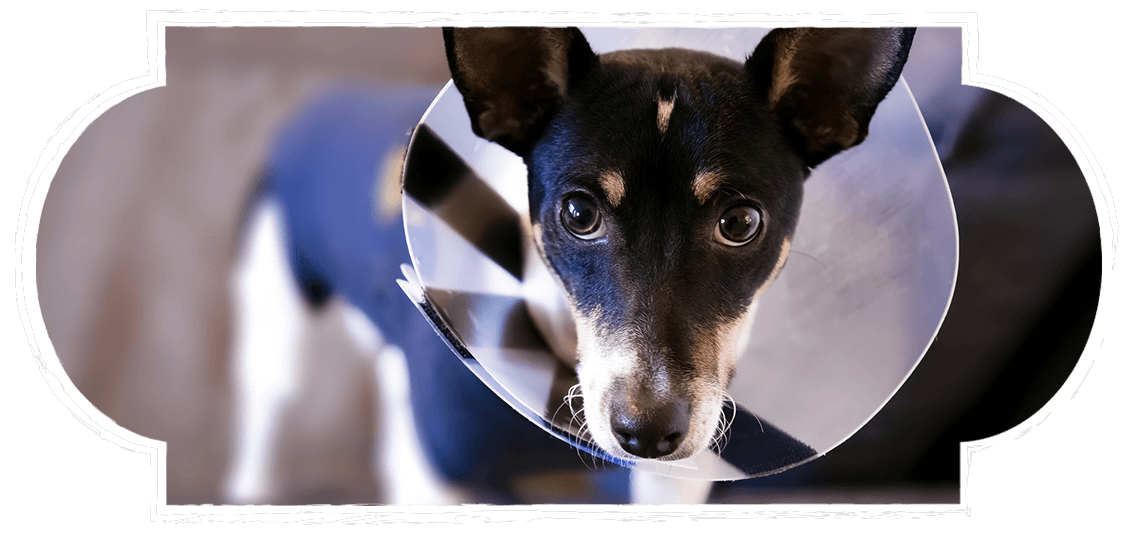
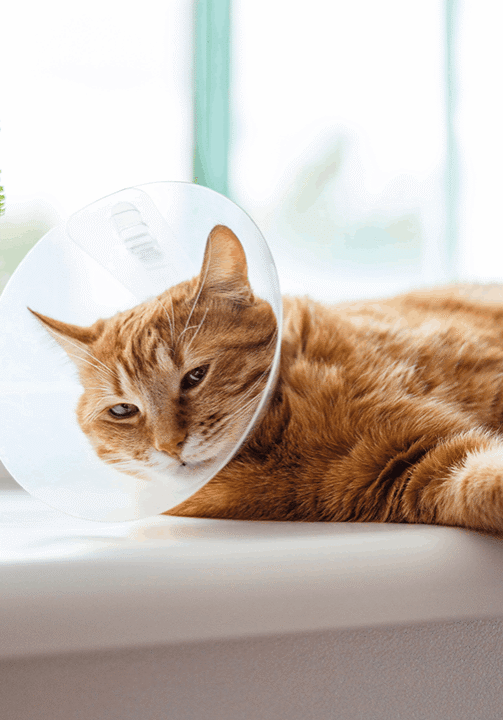
- Use an e-collar or recovery garment
- Check the incision daily
- Keep the surgical site clean and dry
- Give medications as directed
- Return for a recheck when recommended
Do not allow your pet to lick or chew the incision. Licking can introduce bacteria, damage sutures, and delay healing.
How Much Does Spay or Neuter Surgery Cost?
Spay and neuter costs vary according to the pet and the services included in the surgical plan.
Factors may include:
- Species
- Sex
- Age
- Weight
- Health status
- Pre-anesthetic testing
- Medications
- Surgical complexity
- Whether a female pet is pregnant or in heat
- Additional procedures performed under anesthesia
Our team can provide an estimate based on your pet’s needs before surgery. Contact Main Street Veterinary Center for current pricing and appointment availability.
Helping Your Pet Through Surgery and Recovery
A spay or neuter may be a common veterinary procedure, but your pet still deserves care planned around their individual needs. At Main Street Veterinary Center, we begin with a health evaluation, select an anesthetic approach for the patient, monitor them throughout surgery and recovery, and provide detailed instructions for the days that follow.
Call (863) 534-9584 or request an appointment online to discuss spay or neuter surgery for your dog or cat.
Frequently Asked Questions About Spay & Neuter
Pet neuter surgery lowers the risk of certain cancers and can reduce hormone-driven behaviors such as roaming and aggression.
Spay and neuter procedures do not change a pet’s core personality. They may reduce hormone-related behaviors, allowing pets to be calmer and more focused.
Weight gain is not caused by spay or neuter surgery itself. Proper diet, portion control, and regular exercise help pets maintain a healthy weight.
Most spay and neuter surgeries are completed within one to two hours. Pets usually go home the same day after recovery monitoring.
Recovery typically takes 10–14 days. Pets may need limited activity, pain management, and an e-collar to protect the incision site.