

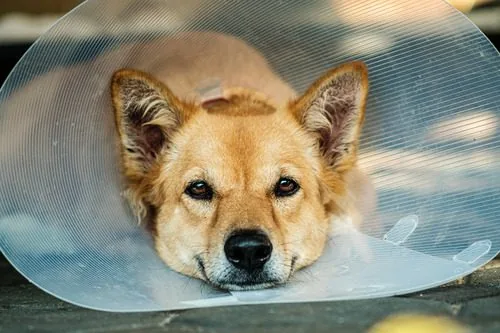
Yes, a dog spay incision lump is often normal, especially a small, firm ridge that shows up during the first couple of weeks. A lump that grows, hurts, leaks, or appears months later deserves a closer look. At Main Street Veterinary Center in Bartow, FL, we understand that changes around your dog’s spay incision can…
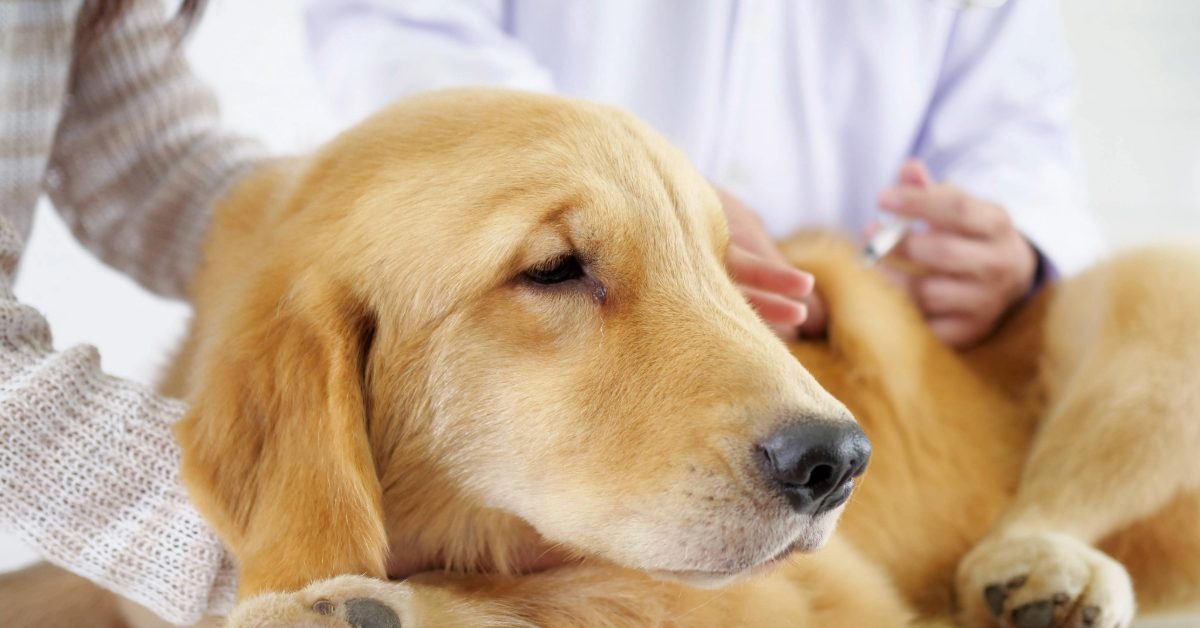
In most cases, the trembling is a mild and temporary response to the shot. The immune system is revving up, the vet visit was a bit stressful, or the injection site feels sore. A dog shaking after vaccine appointments usually settles within about a day, though a few warning signs deserve a call to your…
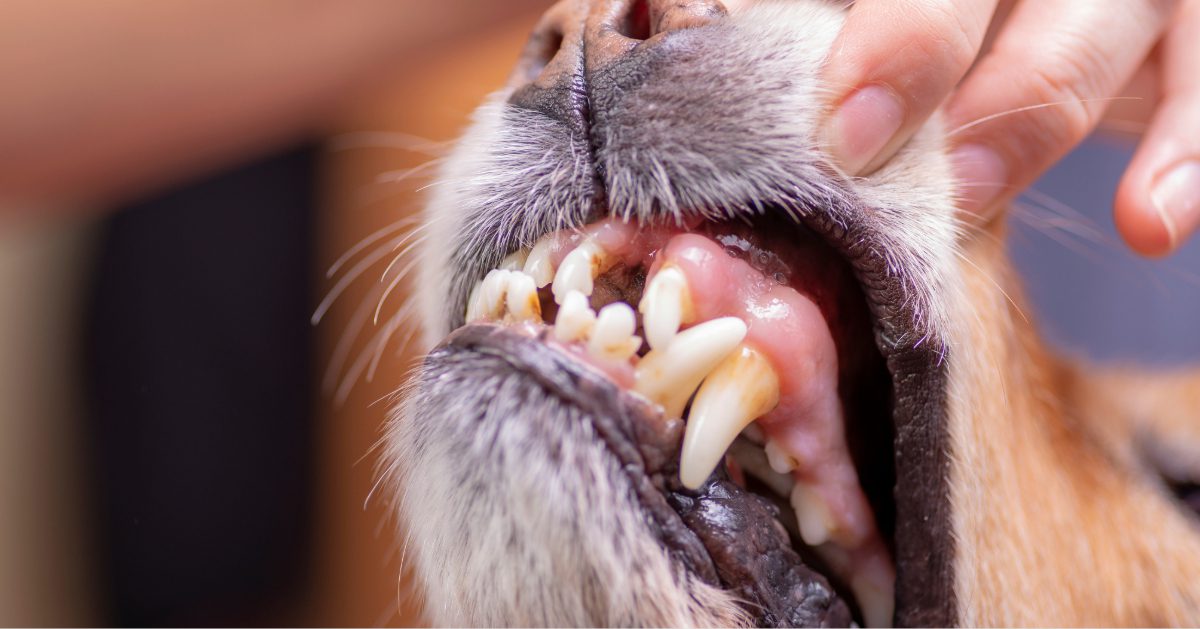
You notice a small tooth on the floor near your dog’s bed, and your heart sinks. A dog losing teeth can feel like an alarming situation, even if your pet seems otherwise happy and active. Pet owners often feel unsure about whether this situation signals a serious dental problem or something expected with age. In…
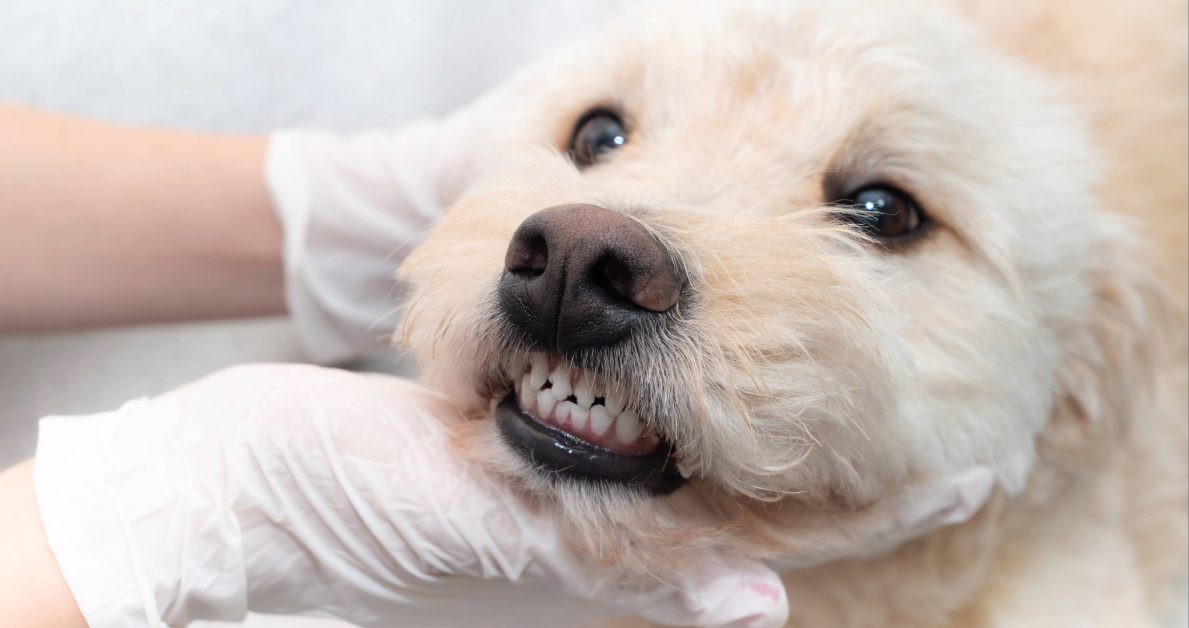
You’re sitting nearby when you hear a soft, repetitive sound and realize it’s your dog grinding their teeth while resting or after a meal. That subtle noise can catch any pet owner off guard. Grinding teeth, also called bruxism, refers to the clenching or rubbing of teeth together, and it often points to discomfort rather…
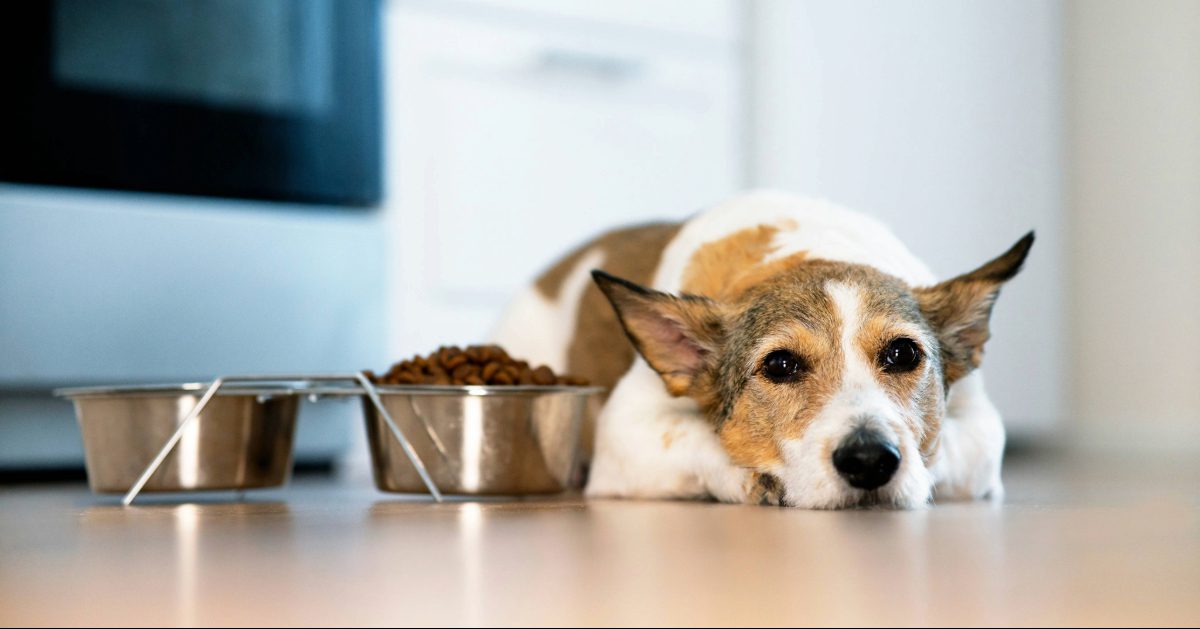
Yes, a dog not eating after spay surgery is common on the first evening, and a small appetite for a day or so usually falls within normal recovery. The picture changes if the food bowl stays untouched well past that point. A dog not eating after spay surgery is a common concern for pet owners.…
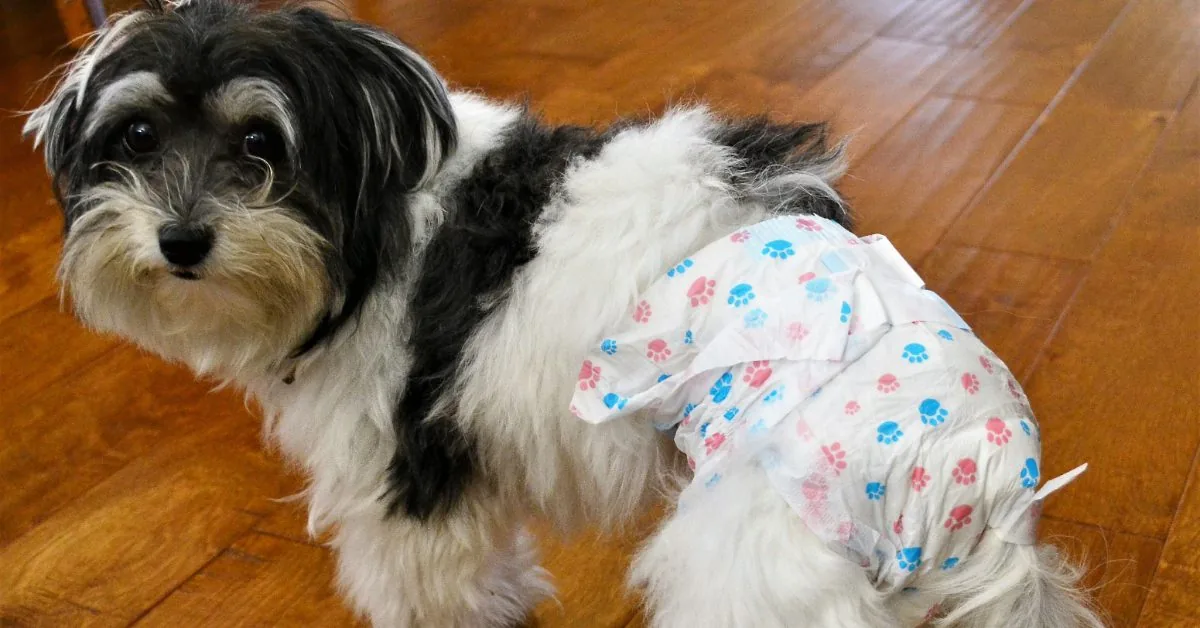
Veterinarians often recommend waiting 8–12 weeks after a dog’s heat cycle ends before scheduling spay surgery. This allows hormone levels to stabilize and the uterus to return to its normal size, helping reduce surgical risks. At Main Street Veterinary Center in Bartow, FL, we consider your dog’s age, size, health history, and reproductive cycle to…
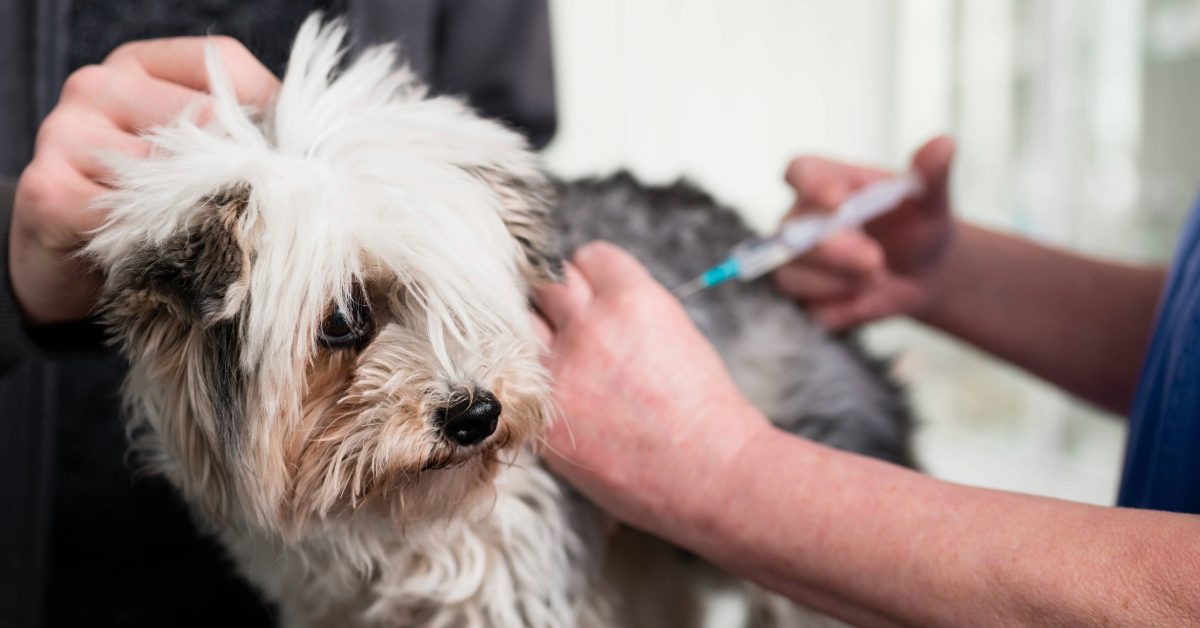
A delayed vaccine reaction in dogs occurs when side effects develop hours or even days after vaccination. Most reactions are mild and resolve on their own, but some symptoms may require veterinary attention. At Main Street Veterinary Hospital in Bartow, FL, we help pet owners recognize and understand potential vaccine reactions. This guide covers common…
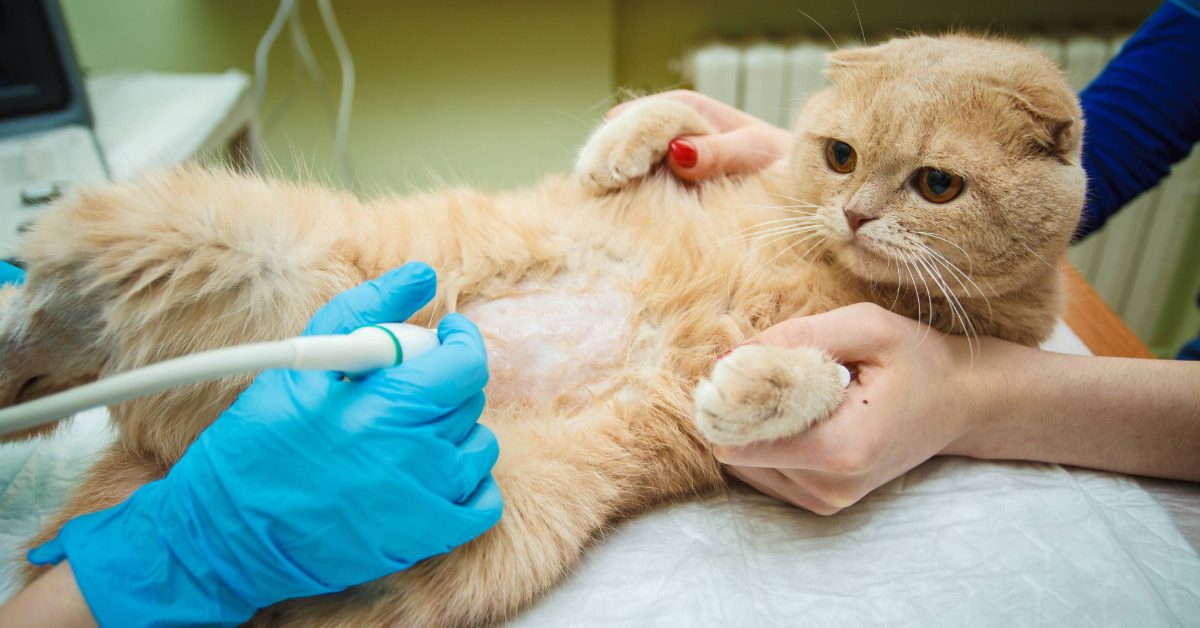
Many pet owners expect X-rays or lab work when a pet needs diagnostic tests, but ultrasound offers a different view, one that lets us see movement, fluid, and soft tissues in real time. A cat ultrasound is a noninvasive imaging test that uses sound waves to create detailed pictures of organs inside the body. We…
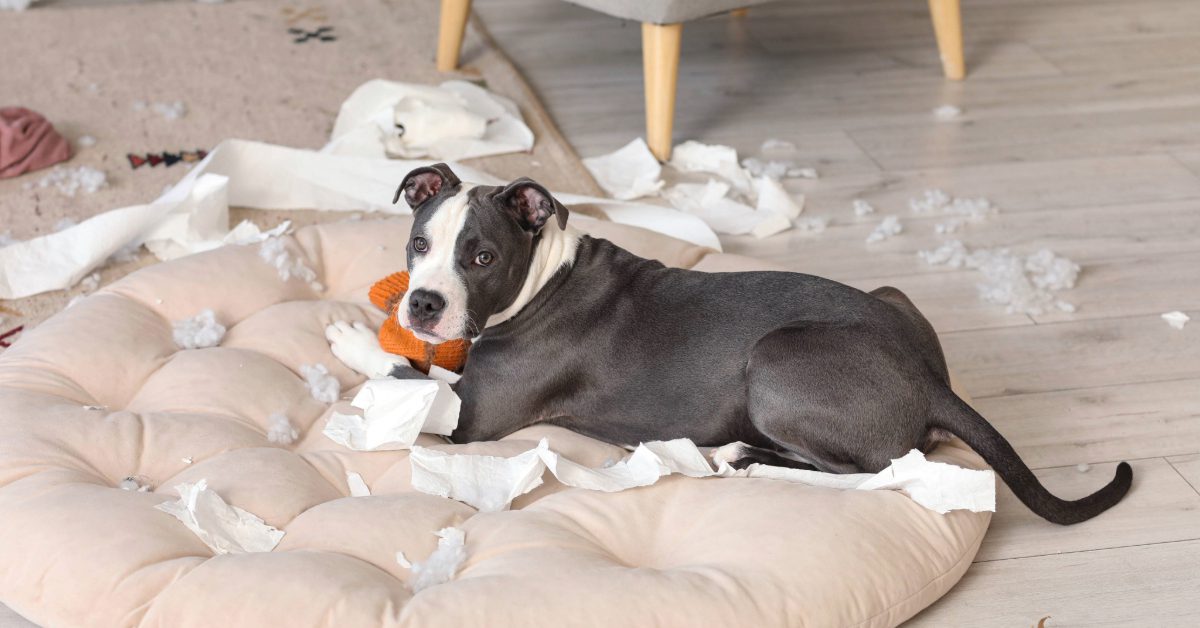
A happy dog, a curious nose, and an object that never should have been swallowed — this is how many emergency visits begin. A dog foreign body surgery becomes necessary when something your dog eats or chews cannot pass safely through the digestive tract. We see this situation more often than many pet owners realize,…
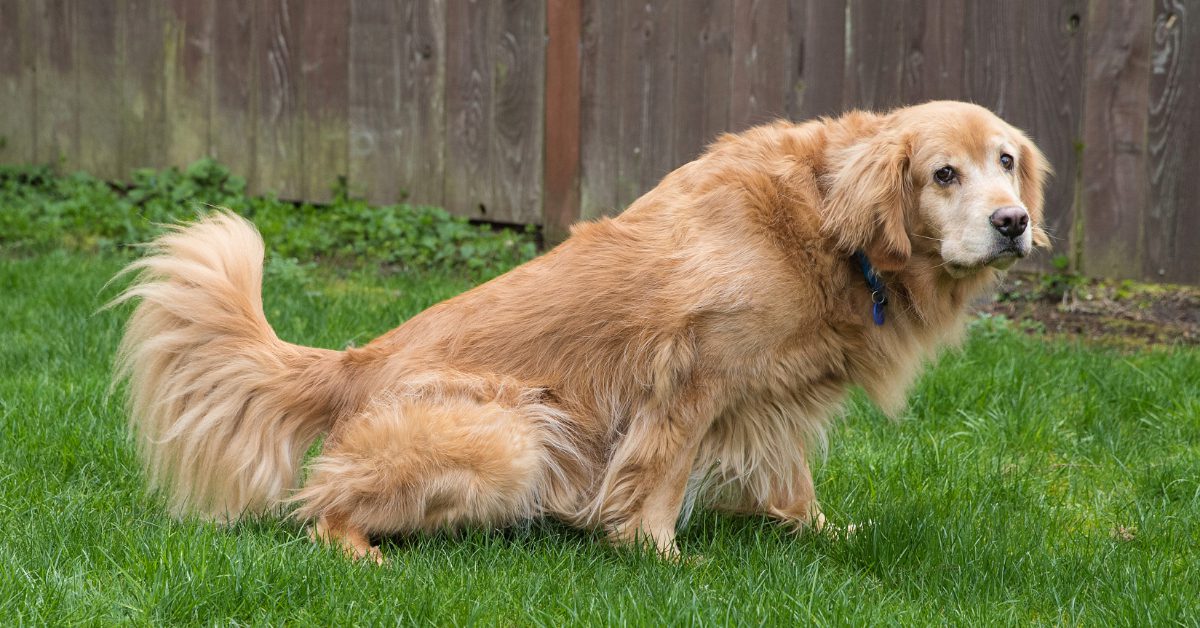
The first time a dog strains to urinate and nothing happens, pet owners often sense that something is not right. You might notice your dog asking to go outside more often, squatting repeatedly, or licking at the urinary area with unusual focus. These subtle changes can point to dog bladder stones, a common but uncomfortable…