
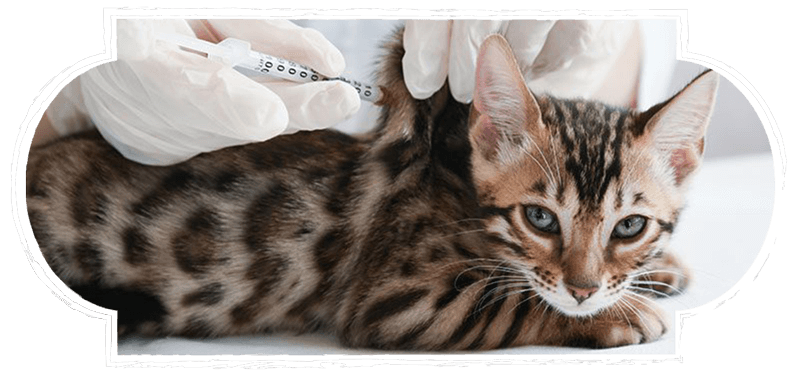
Protecting Pets with Cat and Dog Vaccinations in Bartow, Florida

How Do Cat and Dog Vaccines Protect Pets?
Vaccines prepare your pet’s immune system to recognize and respond to specific infectious diseases. They can reduce the chance of infection and may lessen the severity of illness if an exposed pet becomes sick.
Puppies and kittens initially receive antibodies from their mothers, but that protection gradually fades. A properly timed vaccine series helps young pets develop their own immunity during this vulnerable stage. Adult dogs and cats need selected boosters to maintain protection throughout life.
Vaccination also helps limit the spread of contagious illnesses among pets that share parks, boarding facilities, grooming salons, veterinary waiting rooms, and other community spaces.
When Does My Pet Need Vaccinations?
Vaccination needs change throughout a pet’s life. Puppies and kittens usually require a series of appointments, while adult pets may receive boosters at yearly or longer intervals depending on the vaccine.
Your pet may be due for vaccinations if:
- You recently adopted a puppy, kitten, or adult pet
- Their vaccination history is missing or incomplete
- A previous vaccine is approaching its renewal date
- Your dog attends daycare, training, boarding, or grooming
- Your pet travels or spends time around unfamiliar animals
- Your dog hikes, swims, or encounters wildlife
- Your cat goes outdoors or lives with other cats
- A boarding facility or groomer requires updated records
Bring any available vaccine certificates or adoption records to the appointment. Our team can review what your pet has already received and determine what may be needed next.
Vaccines We Recommend for Dogs and Cats
Every pet has different vaccination needs. Core vaccines protect against common, serious diseases, while lifestyle vaccines are recommended based on your pet's risk factors.
Some vaccines require an initial series before your pet develops full protection. We will explain which vaccines are recommended, why they apply to your pet, and when each follow-up dose or booster is due below.
- Rabies
- DA2PP
- Bordetella (non-core)
- Leptospirosis (non-core)
- Lyme (non-core)
- Influenza (non-core)
- Rabies
- FVRCP
- Feline leukemia/FeLV (non-core)
Are Pet Vaccines Safe?
Most pets tolerate vaccines well. Mild side effects may occur as the immune system responds, but they usually improve within a day or two.
Common mild reactions include:
- Tiredness
- Tenderness at the vaccination site
- A temporary decrease in appetite
- Mild swelling at the injection site
- A low-grade fever
Tell our team if your pet has experienced a vaccine reaction in the past. Our veterinarian may recommend separating vaccines, selecting a different product, or monitoring your pet more closely.
When Should I Call After My Pet Is Vaccinated?
Contact Main Street Veterinary Center if your pet’s mild symptoms do not improve or if you are concerned about their behavior after vaccination.
Seek immediate veterinary care if your pet develops:
- Facial swelling
- Hives
- Difficulty breathing
- Repeated vomiting or diarrhea
- Extreme weakness
- Collapse
- Pale gums
- Rapidly worsening symptoms
Serious vaccine reactions are uncommon, but prompt treatment is important when they occur.
A Vaccine Plan Built Around Your Pet
Your pet’s protection should reflect the places they go, the animals they meet, and the health risks they may encounter. At Main Street Veterinary Center, we pair vaccination with a physical examination and a careful review of your pet’s lifestyle rather than following the same checklist for every patient.
Whether you are starting a puppy or kitten series, catching up on missing records, or maintaining an adult pet’s protection, our Bartow veterinary team will explain what is recommended and why.
Call (863) 534-9584 or request an appointment online to update your pet’s vaccinations.
Frequently Asked Questions About Vaccinations
Common side effects may include mild soreness at the injection site, temporary lethargy, or a low-grade fever. These effects typically resolve within 24–48 hours.
In most states, rabies vaccination is legally required for pets. Rabies is a fatal disease that can spread to humans, making this vaccine essential for both pet and public safety.
Yes, even indoor pets need vaccinations. Diseases can be brought into the home through people, other animals, or unexpected outdoor exposure.
Core pet vaccines protect against widespread and potentially deadly diseases that pose a risk to nearly all pets, regardless of lifestyle or environment.
Non-core vaccines are recommended based on a pet’s lifestyle, travel habits, boarding, grooming, or exposure to other animals.