
Why a Dog Might Shake After a Vaccine
You walk out of the appointment feeling responsible and relieved, your dog’s vaccine visit checked off the list. Then, once you’re home, you notice something unexpected — your dog shaking after vaccine administration. That moment can stop you in your tracks. Many pet owners see trembling, shivering, or mild body shakes and wonder if something went wrong. In most cases, dog shaking after vaccine appointments connects to temporary, short-lived reactions that resolve on their own, but it always deserves attention and monitoring. As a veterinary team, we talk with families about this often because vaccine reactions in dogs can look concerning even when they fall within a normal response. Understanding why dog shaking after vaccine visits happens can help you stay calm, observe closely, and know when to reach out for guidance.
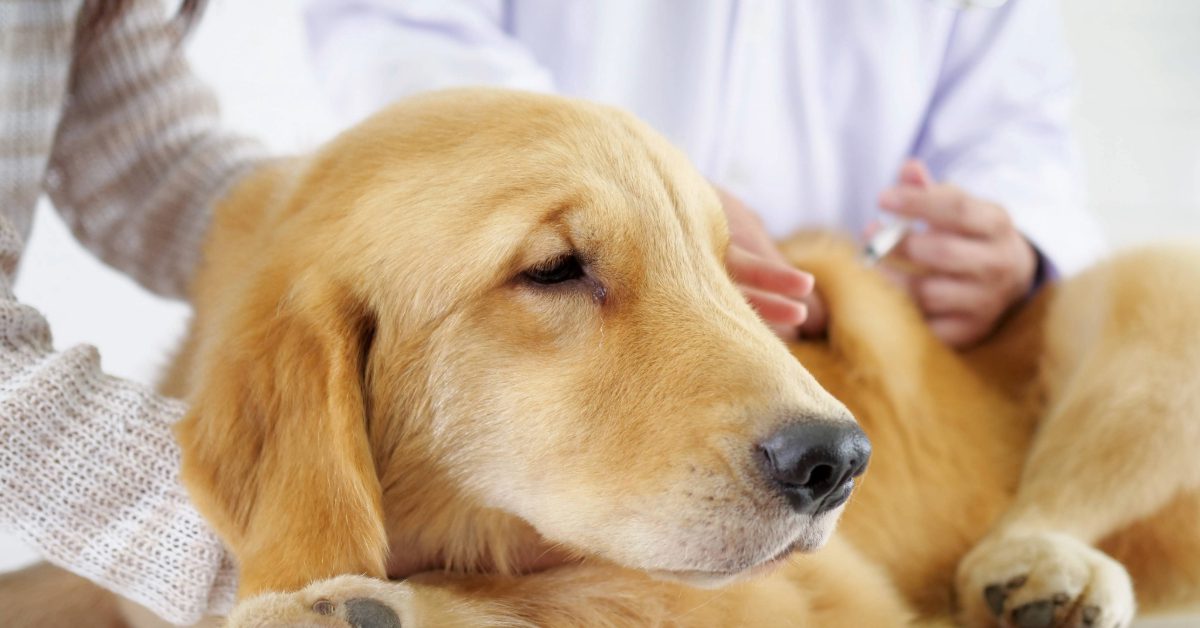
Why Dogs Shake After Vaccines
When we assess why a dog shakes after vaccines, we first look at the immune system’s role. Vaccines safely stimulate protective immunity. That immune activation sometimes produces mild, temporary responses such as fatigue, muscle soreness, or trembling. Just as people occasionally feel chills after immunizations, dogs may exhibit shaking after vaccine visits while their body builds protection. This response typically appears within several hours and improves within a day.
The nervous system also plays a part. Veterinary visits involve travel, new environments, unfamiliar scents, and physical handling. Even confident dogs experience a surge of stimulation. Once home, their body shifts from alert mode to recovery mode. That transition can look like shaking or quivering. In these cases, shaking after vaccines reflects emotional decompression rather than illness. Small breeds, young dogs, and naturally sensitive personalities tend to show these stress responses more clearly.
Body Temperature Changes
A mild increase in body temperature may occur as the immune system responds to vaccination. This temporary change can make your dog feel chilled, leading to shivering. Dogs might curl up more than usual, seek warm spots, or rest longer. Appetite may dip slightly during this period. These signs usually stay subtle and resolve within 24 hours as the body stabilizes.
Injection Site Discomfort
Tenderness at the injection area can also contribute to shaking. Muscles may feel sore, especially when vaccines are given in the shoulder or thigh. Dogs sometimes tense their body or tremble slightly as they adjust their posture. You may notice hesitation when jumping or climbing stairs. This discomfort is typically mild and improves with quiet rest.
Dog Vaccine Side Effects
Shaking after vaccine visits often occurs alongside other mild, temporary vaccine side effects. These signs indicate that the immune system is responding as intended. Most dogs tolerate vaccinations well, and reactions remain short-lived. We encourage pet owners to observe closely during the first 24 hours following vaccination.
Common short-term reactions include:
- Mild lethargy
- Slight decrease in appetite
- Tenderness at the injection site
- Low-grade fever sensations
- Temporary behavior changes such as clinginess or agitation
A small firm swelling can form at the injection site. This lump often shrinks gradually over several days or weeks.However, some of these reactions may not resolve on their own and require veterinary intervention, so if your dog develops a lump, monitor it closely. Fortunately, these effects that may appear along with shaking after vaccines usually resolve without treatment.
More serious vaccine reactions in dogs are uncommon but require immediate veterinary care. These include facial swelling, persistent vomiting, diarrhea, collapse, or difficulty breathing. If shaking occurs with these symptoms, contact a veterinarian right away.
How to Comfort Your Dog After Vaccines
If you notice your dog shaking after vaccines, supportive home care can help them feel more comfortable while their body adjusts. A calm, quiet environment reduces stimulation and promotes rest. Avoid high-energy play or long walks for the remainder of the day. Most dogs benefit from an easy schedule after vaccination.
Helpful comfort steps include:
- Providing soft bedding in a warm area
- Offering fresh water regularly
- Encouraging rest
- Using gentle handling
- Keeping routines predictable
Warmth can ease mild chills, while rest allows muscles to recover from soreness. Soft interaction and quiet presence help nervous dogs settle. Most pets return to normal energy levels quickly once vaccine effects pass.
What to Observe at Home
Monitoring details helps determine whether signs are typical. Note when shaking starts, how long it lasts, and whether it improves. Observe appetite, water intake, and bathroom habits. Watch breathing patterns and overall mood. These observations help us understand whether reactions fall within expected ranges.
When to Call the Vet After a Vaccine Visit
While vaccine reactions are usually mild, certain symptoms indicate a need for veterinary evaluation. If trembling worsens instead of improving, contact us. Repeated vomiting, diarrhea, facial swelling, or breathing difficulty require immediate care. Severe lethargy or collapse is considered an emergency.
Call Main Street Veterinary Center at (863) 534-9584 if you notice:
- Shaking lasting longer than 24 hours
- Trouble breathing
- Swelling around the face or muzzle
- Repeated vomiting or diarrhea
- Extreme weakness
You know your dog’s normal behavior best. If something feels unusual, trust that instinct and reach out. You can also book an appointment online for follow-up care.
Why Vaccines Are Still Important
It can be unsettling to see your dog shaking after vaccines, but vaccinations remain one of the most effective ways to protect dogs from serious, contagious diseases. Conditions such as rabies, distemper, and parvovirus can cause severe illness and even death. The mild, temporary reactions some dogs show after vaccination are small compared to the risks of these diseases. Our team carefully selects vaccine schedules based on your dog’s age, health, and lifestyle to minimize side effects while maximizing protection.
What Shaking After Vaccines Usually Means
In most situations, your dog shaking after vaccines reflects a short-term immune or stress response. These reactions typically resolve with rest and monitoring. Each dog reacts slightly differently, which is why observation matters. If symptoms improve within a day and your dog otherwise behaves normally, recovery is usually straightforward. If signs persist or worsen, veterinary evaluation ensures your dog receives the care they need. For any concerns about post-vaccine changes, contact Main Street Veterinary Center at (863) 534-9584 or schedule a visit online so we can provide guidance tailored to your dog.
Recent Posts
About Us
Family is family, whether it has two legs or four. At Main Street Veterinary Center, we've spent the last 40 years healing and caring for your pets. As a family-operated practice, we know that family is about more than simply being related. Animals give us the ability to develop strong bonds and feel great compassion for a fellow living creature.