
Why Is My Dog Shaking After a Vaccine?
In most cases, the trembling is a mild and temporary response to the shot. The immune system is revving up, the vet visit was a bit stressful, or the injection site feels sore. A dog shaking after vaccine appointments usually settles within about a day, though a few warning signs deserve a call to your veterinarian right away.
Watching your dog tremble on the couch feels alarming when you expected a simple wellness visit. This article written by the veterinary experts at Main Street Veterinary Center explains what a reaction looks like, which side effects are common, how veterinary teams handle problems, and why some reactions appear days later.
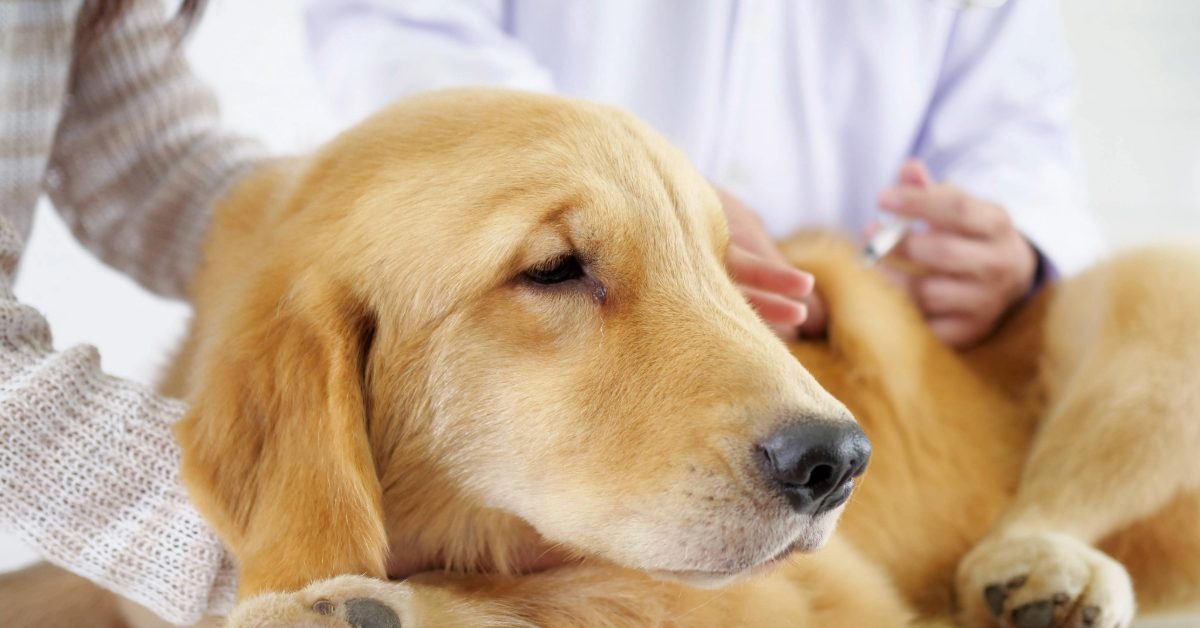
How to Tell If Your Dog Is Having a Reaction to Vaccines
Telling a normal post-vaccine slump from a true reaction comes down to the type of signs, how severe they are, and how quickly they fade.
What Typical Aftereffects Look Like
Most dogs act a little off for the rest of the day. They may nap more than usual, eat less enthusiastically, or want extra cuddles. Some seem clingy or restless, and many shiver or tremble for a few hours. These changes usually start within several hours of the appointment and ease over the next day.
Why a Dog Shaking After Vaccine Visits Is So Common
Several everyday factors can cause trembling after a shot. Often more than one is at work at the same time:
- Immune activity: a vaccine prompts the body to build protection, which can bring on fatigue, achy muscles, and shivers
- Stress release: the car ride, new smells, and handling at the clinic can leave a dog wound up, and the shaking appears once the dog relaxes at home
- Mild chills: a slight rise in body temperature can make a dog feel cold and shiver
- Injection site soreness: tenderness in the shoulder or thigh can cause tensing or slight trembling
Small, young, and sensitive dogs tend to show these signs more often.
Signs That Point to Something More
Trembling alone is rarely the whole story with a true reaction. Facial or muzzle swelling, hives, repeated vomiting or diarrhea, labored breathing, extreme weakness, and collapse are different. Those signs call for immediate veterinary attention, so contact your veterinarian at Main Street Veterinary Center or the nearest emergency hospital without waiting.
Dog Vaccine Reactions and Side Effects
Vaccine side effects fall into two groups: the common, mild ones that pass quickly, and the rare ones that need professional care.
Common and Mild Side Effects
The everyday list is short. Dogs may feel tired, lose a little of their appetite, or seem tender where the needle went in. Some develop a small, firm lump at the injection site that shrinks gradually over days to weeks. A dog shaking after a vaccine visit often shows several of these signs together, and that pattern generally points toward a normal immune response.
Less Common Allergic-Type Reactions
A small number of dogs have a stronger, allergic-style response. It often appears within minutes to a few hours of the injection. Because these reactions can progress quickly, they are treated as emergencies. Call right away at (863) 534-9584 if you notice any of the following:
- Swelling of the face, lips, or muzzle
- Hives or intense itching
- Repeated vomiting or diarrhea
- Difficulty breathing or noisy breathing
- Pale gums, collapse, or extreme weakness
How Timing Helps You Sort Normal From Concerning
When the signs begin matters almost as much as what they are. Mild tiredness and trembling tend to build gradually over several hours and then taper off. Allergic-type reactions often arrive faster and hit harder.
Why Vaccines Are Still Worth It
Serious reactions are uncommon, while the diseases that vaccines prevent can be devastating. Parvovirus, distemper, and rabies are far more dangerous than the short-lived side effects of the shots that guard against them. Your veterinarian weighs your dog’s age, health, and lifestyle when building a vaccine plan, so each dog receives only the protection that fits.
How to Treat a Dog Reaction to Vaccines
Treatment depends on exactly what your dog is experiencing, and that decision belongs to your veterinary team rather than to guesswork at home.
Mild Reactions Start With a Phone Call
If your dog seems tired and trembly but otherwise comfortable, call our hospital and describe what you see. Our team can tell you whether the signs fit a normal response or whether your dog should be seen. Please avoid giving human medications or leftover pet prescriptions, because many are unsafe for dogs and can mask important signs.
What Veterinary Care Looks Like for Bigger Reactions
When a dog arrives with a moderate or serious reaction, your veterinarian performs an exam and checks temperature, heart rate, gum color, and breathing. Depending on the findings, treatment may include medications prescribed for your dog, fluids, and a period of close observation. Each plan reflects the individual patient, which is why a direct evaluation matters so much.
Planning Ahead for Future Vaccine Visits
A reaction does not necessarily mean your dog can never be vaccinated again. Tell your veterinarian about it, and our team can adjust the plan going forward. Your dog’s history guides every recommendation, so the more you share, the better we can tailor the approach. That might include spacing out vaccines, scheduling the appointment earlier in the day so you can watch your dog afterward, or monitoring your dog at the clinic for a short time.
When you call us, these details help our team assess the situation quickly:
- Which vaccines your dog received and when
- When the shaking began and whether it is getting better or worse
- Any other changes, such as vomiting, swelling, or low energy
- Whether your dog has reacted to a vaccine before
Delayed Vaccine Reactions in Dogs
Not every reaction shows up right away, so it helps to know what can appear in the days and weeks after an appointment.
What Counts as a Delayed Reaction
Most side effects appear within hours, but some surface a day or more later. A firm lump at the injection site is the classic example. It often shrinks on its own over days to weeks. Mild tiredness or a lower appetite that lingers can also show up late. If your dog’s shaking continues beyond 24 hours, or the trembling gets worse instead of better, treat that as a reason to call the clinic.
When a Lump Deserves a Closer Look
Some lumps do not fade as expected. A bump that keeps growing, feels painful, or sticks around well beyond a few weeks should be examined. Only an exam can tell a harmless post-injection reaction from something that needs further testing, so please do not wait and wonder.
How Long Is Too Long?
Most families want a simple rule of thumb, and here it is: trembling that fades within a day is expected, while trembling that lingers or intensifies is not. A dog shaking for longer than 24 hours deserves a professional opinion, because prolonged shivering can also point to pain, fever, or an unrelated illness that happened to surface around the same time.
Other Late Signs Worth Reporting
Call your veterinary team if your dog develops hives, swelling, ongoing lethargy, a persistent drop in appetite, or a general sense of being unwell several days after vaccination. Even if the signs seem small, a quick conversation can put your mind at ease or lead to a prompt visit when one is needed. Jotting down dates and symptoms makes that conversation more productive.
Questions After Your Dog’s Appointment? Call Us
Mild shaking after vaccination is often temporary, but it’s important to monitor your dog for any unusual symptoms. At Main Street Veterinary Hospital, our team is here to answer questions about vaccine reactions and recovery. If your dog experiences swelling, difficulty breathing, collapse, or repeated vomiting, seek immediate veterinary care. For other concerns, call us at (863) 534-9584, and we will walk through the next steps together.
Recent Posts
About Us
Family is family, whether it has two legs or four. At Main Street Veterinary Center, we've spent the last 40 years healing and caring for your pets. As a family-operated practice, we know that family is about more than simply being related. Animals give us the ability to develop strong bonds and feel great compassion for a fellow living creature.