
Dog Not Eating After Spay: Is This Normal?
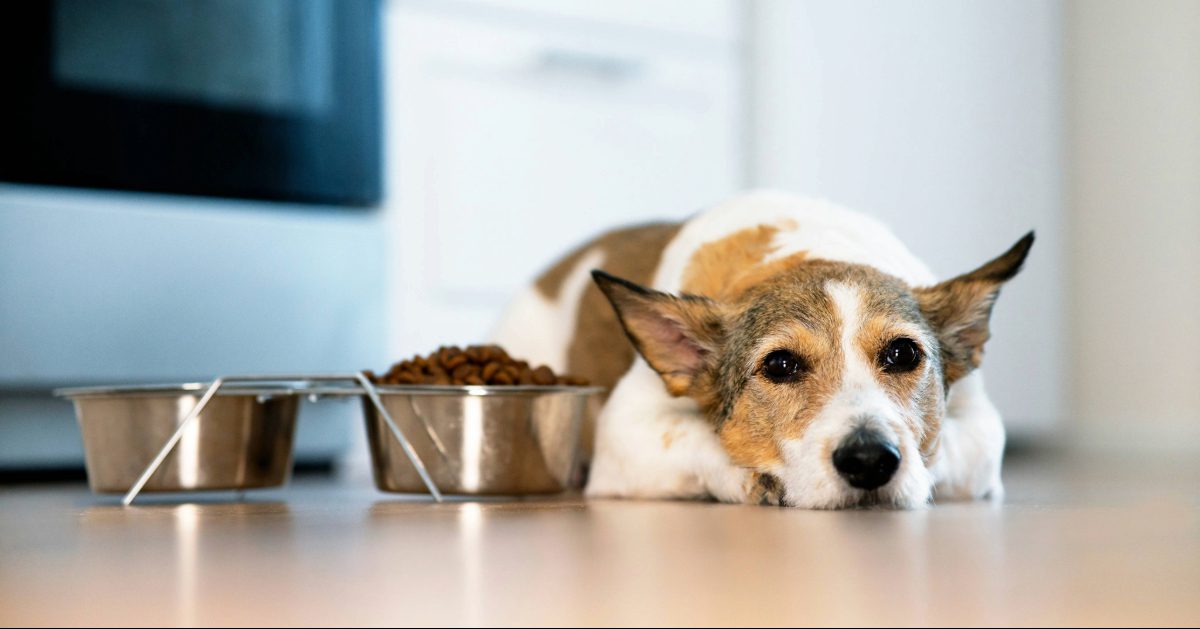
Yes, a dog not eating after spay surgery is common on the first evening, and a small appetite for a day or so usually falls within normal recovery. The picture changes if the food bowl stays untouched well past that point.
A dog not eating after spay surgery is a common concern for pet owners. At Main Street Veterinary Center in Bartow, FL, we understand how worrying a loss of appetite can be. Factors like how long your dog has gone without eating, her overall behavior, and any additional symptoms can help determine whether her recovery is progressing normally or needs veterinary attention.
Is It Normal for Dogs to Not Eat 3 Days After Surgery?
By day three, most dogs show clear interest in food again, so a bowl that is still full deserves a phone call rather than more waiting.
Why Appetite Fades at First
Anesthesia and pain medication can leave a dog queasy and sleepy for the first day. Add belly soreness, a strange car ride, and the stress of a hospital stay, and a dog not eating after spay surgery makes perfect sense. Those effects fade as the drugs leave her system, and most dogs start nibbling again within 24 hours. Older dogs and dogs with sensitive stomachs may take a little longer to find their appetite.
What Changes by Day Three
Three days out, the anesthesia is long gone. A dog not eating after spay surgery at this stage is no longer explained by the drugs alone, so your veterinarian will want to know what else could be happening. Maybe she feels pain that needs attention, maybe her stomach is upset by a medication, or maybe something is going on at the incision. Only an exam can sort out which, and a short phone call to the clinic is a sensible first step.
Questions the Veterinary Team Will Ask
When you call, the staff will likely want specifics. Having answers ready speeds up the conversation:
- The time of her last full meal and her last small snack, if any
- Whether she has vomited or had loose stools since coming home
- Which medications she received and when each dose was given
- How she acts around treats, since a dog who refuses her favorite snack is telling you something
What Are the Red Flags After Spaying a Dog?
Sleepiness and a quiet appetite are expected on day one, but certain changes mean your dog needs to be seen instead of watched.
Signs That Call for a Same-Day Visit
Pale or white gums, labored breathing, repeated vomiting, and a belly that looks swollen or feels hard all warrant an urgent call. So does a dog who cannot get comfortable, cries when touched, or collapses when she stands. If any of these appear alongside a dog not eating after spay surgery, treat the combination as more serious than either problem alone.
Incision Changes That Matter
A little pinkness along the incision is ordinary. Increasing redness, heat, a foul smell, or any bloody or cloudy drainage is not. An incision that has opened or a growing bulge beneath the skin also needs a prompt exam. Because pain at the surgical site can dampen appetite, a problem there may be the real reason behind the empty bowl.
Behavior Clues Owners Notice First
Dogs rarely announce pain, so you often spot trouble through behavior instead. A dog who hides, paces, pants while resting, or stands hunched with her belly tucked may be hurting. Contrast that with a dog who wags her tail, follows you from room to room, and simply seems mellow. Mention these observations when you call, because they help the team judge how urgent your situation is.
Why Calling Early Helps
Our team at Main Street Veterinary Center would much rather hear from you on day two than learn on day six that your dog has not eaten. Early calls often end with reassurance, and when they do not, an early exam gives your dog the best chance at a quick fix.
Matching the Timing to the Symptoms
Timing shapes how seriously to take any symptom. Vomiting once on the first night is a different story from vomiting on day three, and a dog not eating after spay surgery who also seems brighter each hour is less worrying than one who grows quieter. Your veterinarian weighs the whole picture, which is why describing the order in which things happened is so useful.
How Long Should It Take for My Dog to Eat After Being Spayed?
Most dogs eat something within 24 hours of getting home, and a steady return to normal portions over the following two to three days is typical.
A Typical Day-by-Day Pattern
The first evening often brings a little interest in dinner, or none at all. By the next morning, many dogs eat part of a meal. Over days two and three, portions grow and enthusiasm returns. Progress matters more than any single meal, so a dog not eating after spay surgery who improves a little each day is on a healthy path.
Patterns That Raise Questions
Appetite should climb, not dip. A dog who eats well on the second morning and then refuses food that evening has stalled or slipped backward, which is worth reporting. Likewise, a dog who eats but vomits afterward needs an exam even though her bowl is empty.
Why Some Dogs Take Longer
Personality plays a role. Anxious dogs may hold out until they feel safe at home, small breeds can be pickier, and older or overweight dogs sometimes recover more slowly from anesthesia. Dogs spayed while in heat or with other health conditions may also need extra time. Knowing your dog’s usual habits gives you a baseline, and your veterinarian can compare her recovery against it. If you are unsure whether your dog’s pace is typical, ask the team at your recheck appointment or call sooner.
Questions Owners Ask at Recheck Visits
Recheck appointments are a good moment to raise appetite concerns. Owners often ask whether a dog not eating after spay surgery should still get her usual treats, how much weight loss is too much, and whether a medication could be the culprit. Your veterinarian can answer each question for your individual dog, since the right guidance depends on her size, age, and the medications she went home with.
Dog Not Drinking Water After Surgery
Water matters even more than food in the first days after surgery, so a dog who refuses both needs more attention than one who skips only meals.
Why Hydration Carries So Much Weight
Healing tissue, medication processing, and normal organ function all depend on enough fluid. Most dogs take small sips within a few hours of coming home. When a dog not eating after spay surgery also turns away from her water bowl, dehydration can develop faster than owners expect.
Hints That Fluids May Be Running Low
Watch for tacky or dry gums, sunken-looking eyes, unusual weakness, and a dog who urinates very little. Any of these, especially after a full day without drinking, calls for a prompt veterinary exam. Please skip the temptation to force fluids or try home remedies, because a dog who is nauseated or groggy can inhale liquid by mistake.
When the Clinic Can Step In
If your veterinarian finds your dog is dehydrated, the clinic can often give supportive care that owners cannot safely provide at home, such as fluids and medication to calm the stomach. Early help usually turns things around quickly, which is one more reason to phone when you first notice a problem.
Water Intake as a Recovery Barometer
Many veterinarians treat drinking as an early report card for recovery. A dog who laps a little water within hours, then drinks more each day, is usually heading in the right direction. A dog not eating after spay surgery who also ignores water for a full day gives the team a clearer reason to see her promptly, so note when she last drank and tell the staff when you call.
Quiet Food Bowl Has You Worried? Bartow Pet Owners Can Call Us
Most dogs regain their appetite within a day or two after spay surgery. If your dog continues to refuse food or shows other concerning symptoms, contact Main Street Veterinary Center in Bartow, FL, at (863) 534-9584. Our experienced veterinary team can assess your dog’s recovery, address your concerns, and determine whether a follow-up visit is needed.
Recent Posts
About Us
Family is family, whether it has two legs or four. At Main Street Veterinary Center, we've spent the last 40 years healing and caring for your pets. As a family-operated practice, we know that family is about more than simply being related. Animals give us the ability to develop strong bonds and feel great compassion for a fellow living creature.