
Cat Ultrasounds: What to Know
Many pet owners expect X-rays or lab work when a pet needs diagnostic tests, but ultrasound offers a different view, one that lets us see movement, fluid, and soft tissues in real time. A cat ultrasound is a noninvasive imaging test that uses sound waves to create detailed pictures of organs inside the body. We use it to evaluate concerns involving the abdomen, heart, bladder, and pregnancy. This technology gives us valuable information without surgery, which means less stress for your cat and faster answers for you. At Main Street Veterinary Center, we rely on ultrasound when we need a closer look at what’s happening beneath the surface.
Why Would a Veterinarian Recommend a Cat Ultrasound?
We suggest a cat ultrasound when physical exams, bloodwork, or X-rays leave questions unanswered. Unlike radiographs, which show bones and general organ outlines, ultrasound allows us to examine organ texture and motion. We can see the liver, kidneys, spleen, intestines, bladder, and pancreas in greater detail. If a cat is exhibiting vomiting, weight loss, appetite changes, or abdominal pain, ultrasound helps us narrow down possible causes. We also use this tool to detect fluid in the abdomen or chest, identify masses, and guide safe sample collection when needed. Because ultrasound does not use radiation, it is considered safe for repeated use when monitoring ongoing conditions.
Common situations where we may recommend ultrasound include:
- Ongoing vomiting or diarrhea without a clear cause
- Suspected bladder stones or urinary blockage
- Monitoring chronic kidney or liver disease
- Evaluating heart size and function
- Checking for internal bleeding or fluid buildup
These examples show how a cat ultrasound fits into a broader diagnostic plan rather than standing alone.
Do Pregnant Cats Need Ultrasounds?
Pregnancy is one of the more familiar reasons people associate with a cat ultrasound, but it is not always required. Ultrasound helps confirm pregnancy earlier than X-rays and allows us to assess fetal heartbeats and general development. We can attempt to estimate the number of kittens, although X-rays are generally recommended for evaluating litter size. This imaging tool also helps us evaluate the uterus if complications arise, such as discharge, lethargy, or signs of distress. While many pregnancies progress normally, ultrasound provides reassurance when we need to monitor health more closely. If you suspect your cat is pregnant, we recommend scheduling an exam so we can determine whether imaging is appropriate.
What Ultrasound Shows During Feline Pregnancy
During a pregnancy-related cat ultrasound, we observe fetal movement, heart activity, and fluid-filled sacs within the uterus. This information helps us confirm viability at that moment in time. We also assess the mother’s abdominal organs to ensure no unrelated issues are present. Ultrasound does not replace routine prenatal care, but it adds another layer of information. Timing matters, so we decide when imaging will be most useful based on physical findings. Each case differs, which is why a veterinary evaluation comes first.
How Long Does a Cat Ultrasound Take?
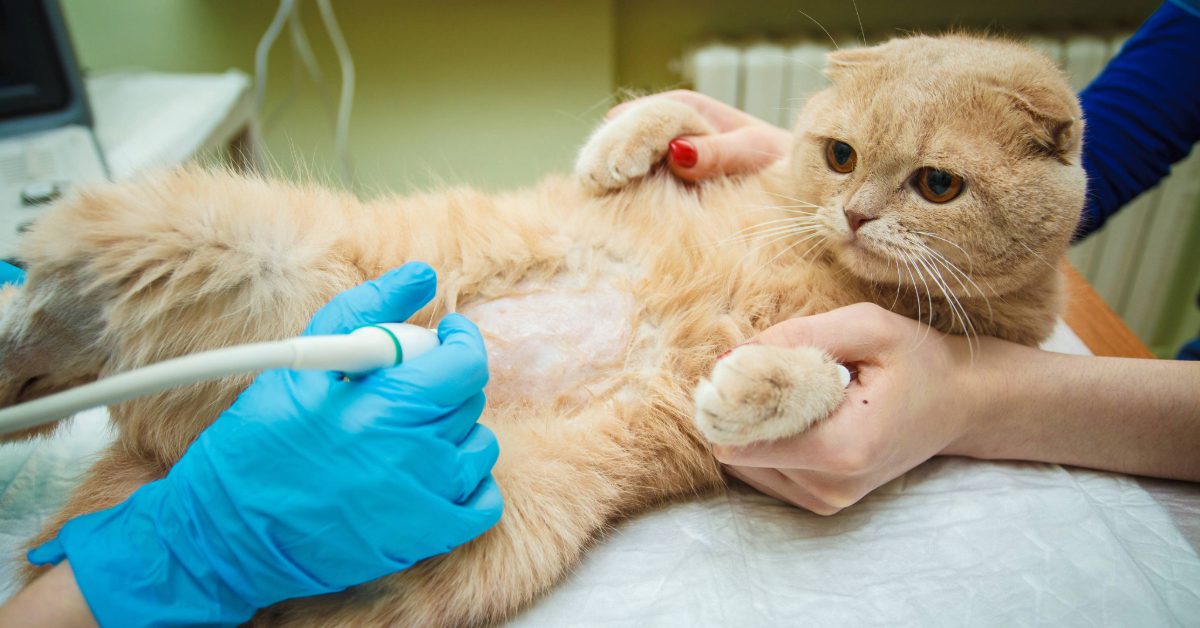
Most cat ultrasound appointments take between 20 and 40 minutes, depending on what we are evaluating. Preparation often includes gently shaving a small area of fur so the probe can make full contact with the skin. We apply a water-based gel to improve image quality, which may feel cool but is not painful. Many cats tolerate the procedure well while resting on a padded surface, and sedation is not always necessary. If a cat feels anxious or uncomfortable, we adjust our approach to keep the experience calm. After imaging, we review the results and discuss next steps with you.
What Your Cat Experiences During the Procedure
Your cat remains awake in many cases and may lie on their side or back during imaging. We move the probe slowly across the skin to capture different angles. You may see the images on a monitor as we explain what we observe. There are no loud noises or sharp sensations involved. Because ultrasound uses sound waves, not radiation, recovery time is not a concern. Most cats return home the same day with no after-effects from the imaging itself.
What Does a Cat Ultrasound Cost?
The cost of a cat ultrasound varies based on the area being examined and whether additional testing is needed. Abdominal imaging, cardiac studies, or specialized scans may differ in price. If we need to send images to a specialist for review, that can also affect the final estimate. We always provide a clear breakdown before moving forward so you can make informed decisions. While cost is an important consideration, ultrasound often prevents more invasive procedures by offering early answers. That efficiency can make it a valuable part of your cat’s care plan.
How to Prepare Your Cat for an Ultrasound Visit
Preparation instructions depend on the reason for imaging. For abdominal studies, we may ask that your cat not eat for several hours beforehand so the stomach and intestines are easier to view. We encourage bringing any recent medical records if your cat has seen another provider. Keep your cat in a secure carrier to reduce stress during travel. At home, maintain a calm routine before the visit to help your cat stay relaxed. Our team will guide you through any specific steps ahead of time.
Simple Comfort Measures at Home
While waiting for your appointment, you can focus on keeping your cat comfortable. Offer fresh water and a quiet resting space away from noise. Monitor appetite, litter box habits, and energy levels so you can share accurate updates with us. Avoid introducing new foods or treats that could upset digestion. These small observations help us interpret ultrasound findings in context. Detailed information from home supports better decision-making during your visit.
What Happens After a Cat Ultrasound?
After completing a cat ultrasound, we interpret the images alongside exam findings and lab results. Sometimes we can provide answers right away, while other cases require further analysis. We discuss possible causes, additional tests, or monitoring plans based on what we see. Ultrasound results often guide treatment decisions, but imaging alone does not determine the entire plan. Our goal is to build a clear picture of your cat’s health so you understand the next steps. Communication remains a key part of this process.
Seeing Beneath the Surface Starts Here
A cat ultrasound offers a window into areas we cannot evaluate through touch alone. It gives us the ability to observe organs in motion and identify changes that might otherwise go unnoticed. This technology supports early detection, thoughtful monitoring, and informed planning. When questions arise about your cat’s health, imaging can provide direction without invasive procedures. If your cat shows changes in appetite, energy, or comfort, our team is ready to assess the situation. Call Main Street Veterinary Center at (863) 534-9584 or book an appointment online to discuss whether a cat ultrasound is right for your pet.
Recent Posts
About Us
Family is family, whether it has two legs or four. At Main Street Veterinary Center, we've spent the last 40 years healing and caring for your pets. As a family-operated practice, we know that family is about more than simply being related. Animals give us the ability to develop strong bonds and feel great compassion for a fellow living creature.