
Delayed Vaccine Reaction in Dogs: What to Know
A delayed vaccine reaction in dogs occurs when side effects develop hours or even days after vaccination. Most reactions are mild and resolve on their own, but some symptoms may require veterinary attention.
At Main Street Veterinary Hospital in Bartow, FL, we help pet owners recognize and understand potential vaccine reactions. This guide covers common symptoms, including shaking, swelling, and digestive upset, along with how long reactions may last and when to contact your veterinarian.
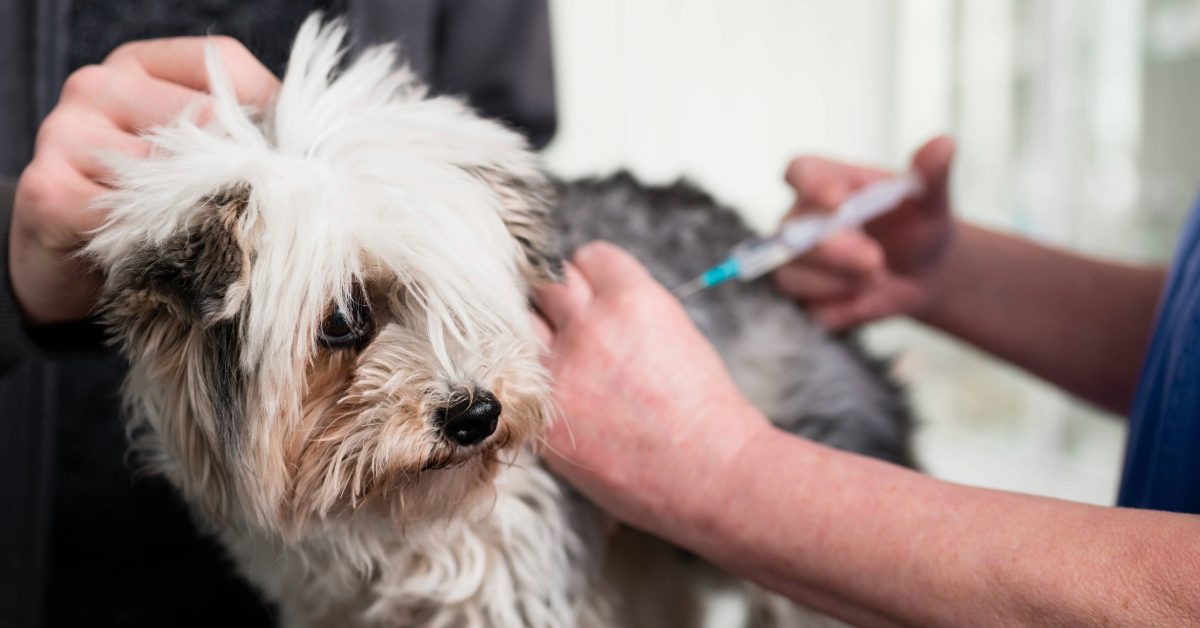
Why Is My Dog Shaking After a Vaccine?
Trembling is one of the most common reasons owners pick up the phone, and the cause is usually less dramatic than it looks.
The Usual Suspects Behind Trembling
A vaccine asks the immune system to practice against a threat, and that practice session can leave a dog feeling achy and chilly. A slight rise in body temperature may cause shivering. Soreness around the injection site can make a dog tense up, and the stress of a busy clinic sometimes shows up as shaking hours later, once the excitement wears off. Smaller and younger dogs tend to show it more.
When Shaking Shows Up a Day Later
Trembling that begins the next day is a classic vaccine reaction symptom for dogs, and it often travels with mild tiredness or a lower appetite. Short, gentle shivering that fades on its own is typical. Shaking that keeps building, comes with a swollen face, or appears alongside labored breathing is a different story, so call the clinic or an emergency hospital without delay.
Why Some Dogs Feel It More
Every dog processes a vaccine a little differently. Age, size, temperament, and overall health all play a part, and a dog who reacted once is more likely to react again. If your dog tends to be anxious at the vet, expect some trembling at home afterward. Understanding your own dog’s patterns makes it easier to spot the day something truly looks out of the ordinary.
What to Tell Your Veterinary Team
Details help us decide how urgent the situation is. When you call, mention the following:
- The date and time of the vaccine, and which vaccines your dog received
- When the shaking started and how it has changed since
- Any other signs, such as lethargy, vomiting, hives, or a lump
- Past vaccine reactions, even mild ones
How to Treat a Dog Vaccine Reaction
Treatment starts with an accurate picture of what your dog is going through, and that picture comes from your veterinary team.
Start With a Conversation
For mild signs, a phone call to Main Street Veterinary Center is the best first step. We can tell you whether the pattern sounds routine or whether your dog should come in. Please do not give human pain relievers or allergy medications on your own, since doses and ingredients that are safe for people can be harmful to dogs.
What Happens at the Clinic
A dog with a more significant reaction receives a hands-on exam. Your veterinarian checks temperature, heart rate, gum color, and breathing, and feels the injection site. Depending on what the exam shows, care may include prescription medication, fluids, or a stretch of monitoring until your dog is stable. Allergic-type reactions move fast, so facial swelling, hives, repeated vomiting, or trouble breathing should always be treated as emergencies.
Adjusting Future Vaccine Plans
A reaction does not mean your dog is done with vaccines. It means we tailor the approach. Your veterinarian may recommend spacing vaccines across separate visits, choosing specific products, or having your dog stay with us for a short observation period after the injection. Sharing your dog’s history helps us build the safest plan for each appointment.
Why Reporting Early Helps
Even a reaction that turns out to be harmless benefits from a quick call. Our team keeps a record of how each patient responds, which means the next vaccine visit can be planned with that knowledge.
How Long Does a Vaccine Lump Last in Dogs?
A small bump where the needle went in surprises many owners, yet it is one of the more common vaccine reaction signs.
What a Normal Lump Looks Like
The body sometimes reacts to the vaccine material with a bit of local swelling. The result is typically a firm, pea-sized to slightly larger bump that may feel mildly tender. It tends to show up within days of the shot and gradually shrinks over a few weeks as the area settles.
When a Lump Needs an Exam
Not every lump follows that script. These are the situations where we want to see your dog:
- The lump keeps growing instead of shrinking
- The area becomes very painful, hot, or red
- The bump is still present after about a month
- Your dog licks, chews, or scratches the spot persistently
Where Lumps Tend to Appear
Veterinary teams typically give vaccines in the shoulder area, the rear leg, or beneath the skin along the back, depending on the vaccine. Knowing roughly where your dog received each shot helps you find and describe a bump accurately. A gentle, daily glance at the area is plenty, and there is no need to poke or squeeze it. Handling the lump repeatedly can irritate the skin and make it harder to judge any change.
Why We Take Persistent Lumps Seriously
Only an in-person exam can separate a harmless post-injection bump from something that needs testing. Your veterinarian may measure the lump, note its location, and recheck it over time. Writing down the date of the vaccine and the first day you noticed the bump gives the team a helpful timeline.
Can Distemper Vaccines Cause Diarrhea in Dogs?
Digestive upset after a distemper vaccine is possible, though it is not the most common side effect.
Mild Stomach Upset Can Happen
The distemper vaccine usually comes combined with others, and any of them can occasionally bring on a brief soft stool along with the usual tiredness. When this happens, it generally resolves within a day or two. Because a mild vaccine reaction dog families see can include loose stool, the symptom alone is not cause for panic.
When Diarrhea Points Elsewhere
Loose stool has many possible causes, including dietary changes, intestinal parasites, and infections. Puppies who have not finished their vaccine series are especially vulnerable to serious viruses such as parvovirus, so a young puppy with diarrhea deserves a prompt exam rather than a wait-and-see approach. The same goes for any dog with repeated vomiting, blood in the stool, or extreme lethargy.
These signs alongside loose stool warrant a same-day call:
- Blood or black, tarry material in the stool
- Vomiting that repeats
- Refusing food and water
- Pale gums, weakness, or a swollen belly
Why the Timing Matters
Diarrhea that begins within a day or two of a vaccine and clears quickly fits a typical delayed vaccine reaction symptom that dogs experience. Your dog’s age, diet, and recent exposures all help us judge whether the vaccine is the likely cause, which is why a short history from you is so valuable. Diarrhea that continues, worsens, or arrives with other symptoms calls for a visit, since dehydration can develop quickly in small dogs and puppies.
Next Steps for Worried Dog Owners in Bartow
If you notice unusual symptoms after your dog’s vaccinations, contact Main Street Veterinary Hospital at (863) 534-9584. Our team can review your dog’s symptoms, vaccination history, and recovery to determine the next steps.
Symptoms such as facial swelling, hives, difficulty breathing, collapse, or severe vomiting and diarrhea require immediate veterinary attention. While most dogs recover quickly from mild vaccine reactions, our team is here to address your concerns and help keep your pet safe and healthy.
Recent Posts
About Us
Family is family, whether it has two legs or four. At Main Street Veterinary Center, we've spent the last 40 years healing and caring for your pets. As a family-operated practice, we know that family is about more than simply being related. Animals give us the ability to develop strong bonds and feel great compassion for a fellow living creature.