
Dog Bladder Stones: Symptoms and Treatments
The first time a dog strains to urinate and nothing happens, pet owners often sense that something is not right. You might notice your dog asking to go outside more often, squatting repeatedly, or licking at the urinary area with unusual focus. These subtle changes can point to dog bladder stones, a common but uncomfortable urinary condition that affects dogs of many ages and breeds. Bladder stones form when minerals in the urine clump together and harden, creating small rock-like structures inside the bladder. Some stones stay tiny, while others grow large enough to block urine flow and cause serious complications. As a veterinary team, we work with families to identify bladder stone symptoms early, relieve discomfort, and guide safe, effective treatment plans.
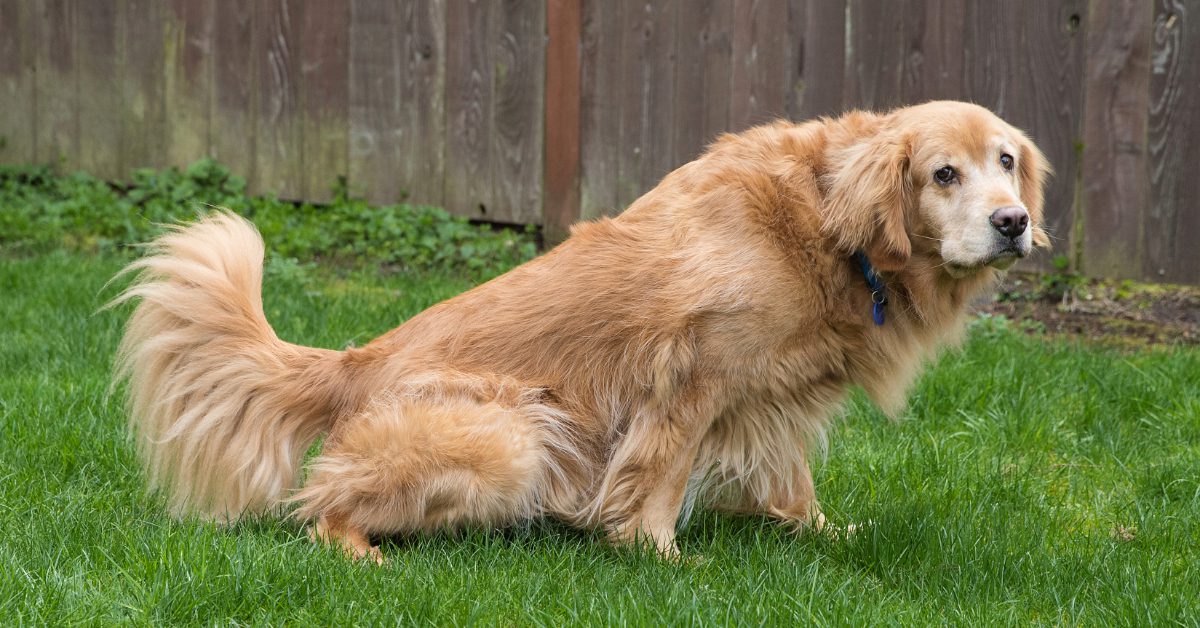
Symptoms of Bladder Stones in Dogs
Many cases of dog bladder stones start with mild signs that gradually become more noticeable. Dogs cannot explain that urination feels painful, so behavior changes often tell the story first. A dog may strain to urinate, produce only small amounts of urine, or take longer than usual during bathroom breaks. Some dogs have accidents indoors despite being house-trained, which can be frustrating for owners who do not realize a medical issue is behind it. Blood in the urine, which may appear pink, red, or brown, is another common sign that points to irritation in the bladder. You might also see your dog licking the genital area frequently due to discomfort.
As stones move within the bladder, they can irritate the bladder lining and lead to inflammation or infection. This irritation often causes frequent attempts to urinate, even when little urine is present. Dogs with bladder stones sometimes seem restless or uncomfortable, especially after trying to urinate. In more serious cases, a stone can block the urethra, preventing urine from leaving the body. A urinary blockage is an emergency because toxins build up quickly and the bladder can become dangerously distended. If your dog cannot pass urine, shows signs of pain, or seems lethargic, contact a veterinary team right away.
Common signs of bladder stones in dogs include:
- Straining or taking a long time to urinate
- Frequent urination in small amounts
- Blood in the urine
- Urinating in unusual places
- Excessive licking of the urinary opening
Types of Bladder Stones in Dogs
Not all dog bladder stones form for the same reason, and identifying the type plays a big role in treatment decisions. Stones develop when minerals in the urine become concentrated and begin to crystallize. Over time, those crystals stick together and grow. Diet, genetics, urinary tract infections, and urine pH can all influence which type of stone forms. Some breeds have a higher risk for specific stone types, which veterinarians consider during diagnosis.
Struvite Stones
Struvite stones often form in response to urinary tract infections. Certain bacteria change the urine’s environment, making it easier for crystals to develop. These stones may sometimes dissolve with prescription diets designed to alter urine chemistry, but careful monitoring remains important. Even when diet plays a role, veterinary oversight ensures the bladder stays healthy and infections resolve fully.
Calcium Oxalate Stones
Calcium oxalate stones develop under different conditions and do not dissolve with diet alone. These stones tend to be harder and may require removal procedures. Dogs that form this type of stone often need long-term management to reduce the risk of recurrence. A veterinary team may recommend specific dietary changes, increased water intake, and regular urine testing to monitor for future stone formation.
Other stone types exist, but struvite and calcium oxalate are the most frequently diagnosed. Laboratory analysis of removed stones or urine crystals provides valuable information about prevention strategies. Understanding the stone type allows a veterinary team to create a focused plan that supports urinary health over time.
Can Dogs Pass Bladder Stones?
Pet owners often ask whether dog bladder stones can pass on their own. The answer depends on the stone’s size, shape, and location. Very small stones or crystals may sometimes pass during urination, especially if the dog drinks plenty of water and urine flow remains strong. However, even small stones can cause irritation as they move through the urinary tract. Larger stones rarely pass safely and can become lodged in the urethra, leading to a blockage.
Because blockages can develop quickly, it is risky to assume a stone will pass without veterinary guidance. Dogs that strain repeatedly or seem unable to urinate need prompt evaluation. Imaging tools such as X-rays or ultrasound help determine the size and number of stones present. These diagnostics also show whether the bladder wall appears inflamed or if the urethra looks obstructed.
At home, owners can support general urinary comfort by encouraging water intake and providing frequent bathroom opportunities. Fresh water should always be available, and multiple outdoor breaks can reduce bladder pressure. These steps support urinary flow but do not replace professional care. When stones remain in the bladder, they often continue to grow and cause ongoing discomfort.
When to See the Vet
Any suspicion of your dog having bladder stones deserves veterinary attention, even if signs seem mild at first. Early evaluation helps prevent complications such as infections, chronic inflammation, or life-threatening urinary blockages. A veterinary visit typically includes a physical exam, urinalysis, and imaging to confirm the presence of stones. These tests also help identify infections or other urinary issues that may contribute to stone formation.
Some situations call for immediate care. If your dog cannot urinate, cries out while trying, or appears weak or distressed, seek help right away. A blocked urinary tract can become dangerous in a short amount of time. Even in less urgent cases, ongoing straining, blood in the urine, or frequent accidents signal that the bladder needs attention.
Contact a veterinarian promptly if you notice:
- Repeated attempts to urinate with little or no urine
- Signs of pain while urinating
- Lethargy or loss of appetite alongside urinary signs
- A sudden change in urination habits
Treatment options for dog bladder stones vary. Some stones may dissolve with therapeutic diets and careful monitoring. Others require minimally invasive procedures or surgery to remove them safely. After treatment, long-term management often includes diet adjustments, encouraging hydration, and periodic urine checks to watch for recurrence. Each dog’s plan differs based on stone type, overall health, and medical history.
At Main Street Veterinary Center, we guide families through every step of diagnosis and treatment planning. Our team explains findings clearly and outlines options so you can make informed decisions for your dog’s comfort and health. If you notice changes in your dog’s urination habits or suspect bladder stones, call (863) 534-9584 or book an appointment online. Early care can make a meaningful difference in recovery and long-term urinary health.
Protecting Your Dog’s Urinary Health for the Long Run
Bladder stones can be uncomfortable, but prompt recognition and veterinary care create a clear path forward. Paying attention to urination patterns, water intake, and subtle behavior shifts allows problems to be identified sooner. Diagnostic tools and laboratory testing give valuable insight into why stones formed and how to reduce future risk. With the right treatment plan and ongoing monitoring, many dogs return to normal routines and stay comfortable. Regular checkups and open communication with your veterinary team keep urinary health on track. When questions about dog bladder stones arise, a timely conversation with your veterinarian provides clarity and reassurance.
Recent Posts
About Us
Family is family, whether it has two legs or four. At Main Street Veterinary Center, we've spent the last 40 years healing and caring for your pets. As a family-operated practice, we know that family is about more than simply being related. Animals give us the ability to develop strong bonds and feel great compassion for a fellow living creature.