
Dog Grinding Teeth: What to Do
You’re sitting nearby when you hear a soft, repetitive sound and realize it’s your dog grinding their teeth while resting or after a meal. That subtle noise can catch any pet owner off guard. Grinding teeth, also called bruxism, refers to the clenching or rubbing of teeth together, and it often points to discomfort rather than a harmless habit. While some dogs grind their teeth briefly during stress or sleep, ongoing grinding usually connects to dental pain, jaw issues, or underlying health concerns. Many pet owners are surprised to learn how closely oral health ties to overall wellness. When you notice your dog grinding teeth at home, it’s worth paying attention and planning a conversation with your veterinary team.
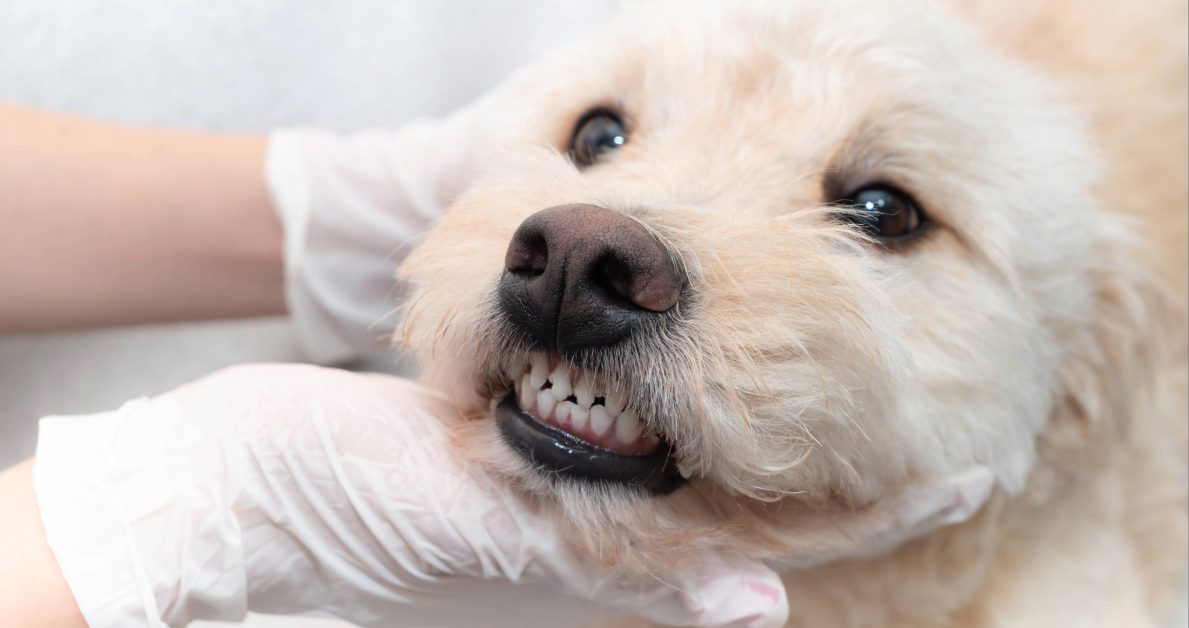
Why Dogs Grind Their Teeth
Dog teeth grinding rarely happens without a reason. Most dogs show this behavior when something feels uncomfortable in the mouth, face, or jaw. Teeth grinding can also appear during periods of anxiety or after a stressful event, such as a loud noise or a new environment. Some dogs grind their teeth during sleep cycles, similar to people, but frequent episodes while awake usually signal a physical cause. We evaluate each case carefully because bruxism in dogs can relate to dental disease, oral injury, or even abdominal discomfort. Observing when dog teeth grinding occurs, such as during meals, after play, or at rest, gives helpful clues for your veterinary visit.
Common non-dental contributors include changes in routine, travel, or tension between pets in the home. Dogs that feel uneasy may clench their jaw as a stress response. In other cases, dogs grind their teeth when nausea or gastrointestinal upset causes general discomfort. Although the sound may seem minor, repeated pressure can wear down enamel over time. That wear can then create new dental sensitivity, which leads to a cycle of continued grinding. Addressing the root cause early helps protect both oral structures and overall comfort.
Dental Conditions That Cause Grinding
Dental disease ranks high among reasons for dogs grinding their teeth. Plaque buildup leads to inflamed gums, which can make chewing uncomfortable and trigger jaw tension. As periodontal disease progresses, infection can reach deeper tissues, causing persistent oral pain that a dog cannot show in obvious ways. Some dogs respond by clenching or grinding their teeth to cope with that sensation. Fractured teeth, worn enamel, or exposed tooth roots can also lead to repeated grinding. We frequently see bruxism in dogs with undiagnosed dental injuries.
Signs of Dental Discomfort to Watch For
When dog teeth grinding connects to oral pain, other signs often appear alongside it. Pet owners may notice:
- Drooling more than usual or pawing at the mouth
- Dropping food while eating or chewing on one side
- Bad breath that seems stronger than normal
- Swelling around the face or jaw
- Sensitivity when the mouth area is touched
Each of these clues helps us determine whether teeth grinding stems from a dental source. Early exams allow us to identify inflammation, infection, or structural damage before it worsens. Regular dental evaluations play a key role in preventing painful conditions that drive bruxism. Keeping up with professional cleanings and oral exams reduces the chance of advanced dental disease that could lead to grinding. Good oral health habits support comfort, appetite, and overall vitality.
When to See the Vet
Any ongoing dog teeth grinding deserves attention, especially if it happens daily or seems to increase. We recommend scheduling an appointment when grinding appears alongside changes in appetite, behavior, or energy. Dogs that avoid hard treats, chew slowly, or seem hesitant at mealtime may be experiencing oral discomfort. Grinding that occurs with drooling, facial swelling, or bleeding from the mouth calls for prompt evaluation. Even if your dog seems otherwise normal, persistent bruxism should not be ignored. A thorough exam helps rule out dental disease, jaw disorders, and other causes.
Situations That Call for Prompt Care
Contact your veterinary team quickly if teeth grinding occurs with:
- Sudden lethargy or reluctance to move
- Signs of oral trauma after chewing a hard object
- Vomiting or signs of abdominal discomfort
- Whining when opening or closing the mouth
These combinations can point to more serious discomfort that needs professional assessment. We use physical exams, dental evaluations, and sometimes imaging to understand what’s happening. Early care often means simpler treatment and less discomfort for your dog. Keeping a short record of when you hear your dog grinding their teeth helps us identify patterns. That information supports more accurate diagnosis and planning.
Treatment and Prevention
Treatment for teeth grinding in dogs depends on the underlying cause. When dental disease drives the behavior, professional cleaning, treatment of infected teeth, or addressing damaged areas often reduces grinding. If stress contributes, we discuss environmental adjustments and behavior support. Jaw alignment issues or oral injuries may require additional evaluation. The goal always focuses on relieving discomfort and protecting oral structures from further wear. By addressing the source, we help break the cycle of grinding teeth.
At home, pet owners can support oral comfort with daily habits that encourage healthy teeth and gums. Brushing your dog’s teeth with veterinary-approved products helps limit plaque accumulation. Providing safe chew options designed for dental health can also support cleaner teeth. Maintaining a calm routine reduces stress-related tension that may contribute to bruxism. Observing your dog’s eating patterns and chewing behavior helps you notice changes early. Routine wellness visits allow us to monitor oral health and identify concerns before teeth grinding becomes more frequent.
Preventive Habits That Support Oral Comfort
Consistent habits make a meaningful difference in reducing risks linked to teeth grinding in dogs:
- Daily tooth brushing with products recommended by your veterinary team
- Regular wellness exams that include oral checks
- Monitoring for changes in chewing style or appetite
- Offering safe dental chews designed for canine use
These steps support healthier gums and teeth, which lowers the chance of discomfort-driven grinding. Preventive care also supports fresher breath and better long-term oral health. Dogs rely on us to notice subtle signs, and bruxism is one of those signals. Staying attentive helps ensure concerns are addressed early.
Quiet Clues That Deserve Attention
Teeth grinding may not seem like a big deal, but it often speaks loudly about your dog’s comfort. Subtle behaviors can signal dental disease, stress, or other health concerns that deserve evaluation. Listening for changes, observing eating habits, and scheduling routine exams all play a role in protecting your dog’s well-being. When you hear repeated grinding, reach out to Main Street Veterinary Center, either by phone at (863) 534-9584 or booking an appointment online, to discuss what you’re noticing. Our team can evaluate oral health, assess possible causes, and guide next steps tailored to your dog. A simple sound can be the first clue that leads to better comfort and a healthier mouth.
Recent Posts
About Us
Family is family, whether it has two legs or four. At Main Street Veterinary Center, we've spent the last 40 years healing and caring for your pets. As a family-operated practice, we know that family is about more than simply being related. Animals give us the ability to develop strong bonds and feel great compassion for a fellow living creature.