
What to Do About a Dog Losing Teeth
You notice a small tooth on the floor near your dog’s bed, and your heart sinks. A dog losing teeth can feel like an alarming situation, even if your pet seems otherwise happy and active. Pet owners often feel unsure about whether this situation signals a serious dental problem or something expected with age. In some cases, a dog losing teeth points to normal development, while in others it reveals underlying oral disease that needs veterinary attention. As a veterinary team, we focus on identifying the reason behind your dog’s tooth loss so we can guide families toward the right next steps. Early awareness helps protect comfort, nutrition, and long-term health.
Common Reasons Dogs Lose Teeth
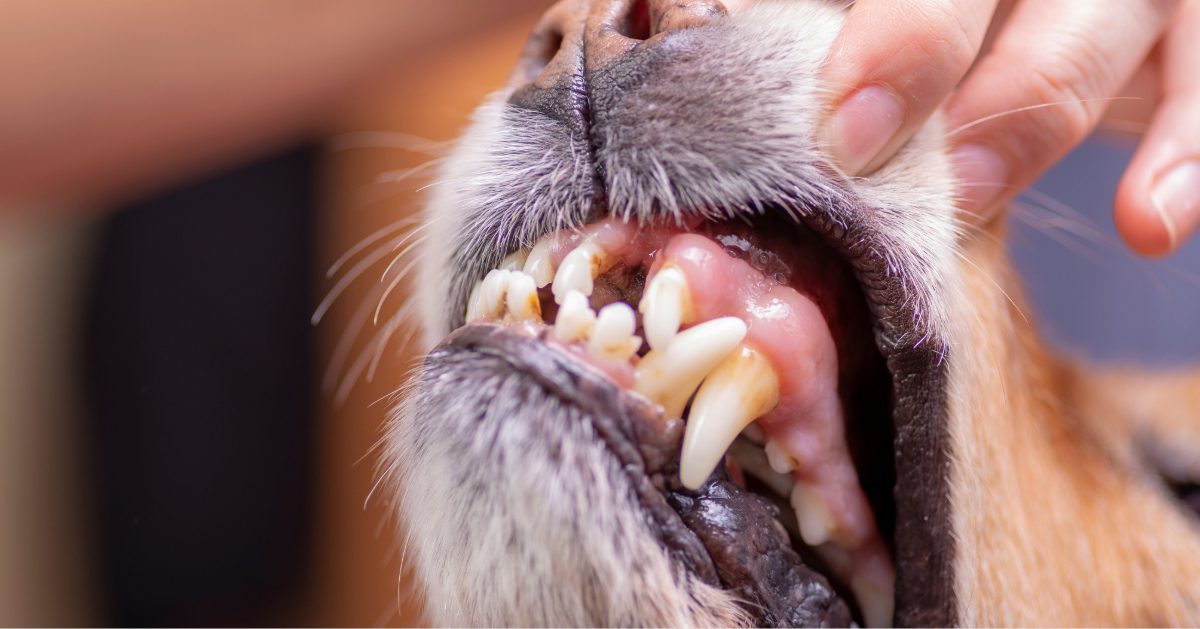
When we start assessing why a dog is losing teeth, we start by looking at the most likely causes and your pet’s age, breed, and history. Puppies naturally lose their baby teeth as their adult teeth come in, which often explains a tooth loss under six months of age. Adult dogs, however, usually lose teeth because of dental disease, injury, or other oral conditions that weaken the structures holding teeth in place. Periodontal disease remains the leading cause of tooth loss in adulthood, and it develops when plaque and tartar irritate the gums and supporting bone. Over time, inflammation damages these tissues, which allows teeth to loosen and eventually fall out. Trauma, such as chewing on very hard objects or experiencing an accident, can also cause a dog to lose teeth suddenly.
Periodontal Disease and Oral Inflammation
Gum disease progresses quietly, which means many families do not notice signs until tooth loss becomes obvious. Bacteria collect along the gumline and trigger inflammation known as gingivitis, which can advance into deeper infection that affects the bone. As the bone recedes, teeth lose their anchor, making tooth loss more likely. You might also see red or bleeding gums, bad breath, or difficulty chewing. Smaller breeds face a higher risk because their teeth sit closer together, allowing plaque to build up more easily. Routine dental evaluations help us catch these changes before periodontal disease and tooth loss becomes severe.
Trauma and Chewing Habits
Some cases of tooth loss stem from mechanical damage rather than infection. Dogs that chew on rocks, antlers, or very hard toys may crack or break teeth, which weakens the tooth and surrounding tissues. A broken tooth can lead to pain, infection, and eventually a dog losing teeth if the damage extends below the gumline. Rough play, falls, or being hit in the mouth during an accident can cause tooth loss. Even a single lost tooth after trauma deserves attention, since hidden fractures or jaw injuries may be present.
Is It Normal for Adult Dogs to Lose Teeth?
Pet owners often ask if a dog losing teeth can ever be considered normal in adulthood. In healthy adult dogs, permanent teeth should last a lifetime with proper care, so tooth loss at this stage usually signals a problem. Unlike puppies, adult dogs do not have another set of teeth waiting to replace the ones they lose. That means each lost tooth reduces chewing ability and can affect overall comfort. Pain may cause subtle behavior changes, such as eating more slowly, dropping food, or avoiding certain toys. Because of these factors, we treat tooth loss in adulthood as a reason for a thorough dental evaluation.
Tooth loss can also relate to systemic health conditions that influence oral tissues. Certain diseases affect how the body supports bone and gums, which may contribute to a dog losing teeth more easily. While we do not jump to conclusions, we consider the whole patient when tooth loss appears alongside other symptoms. Bloodwork, dental imaging, and a detailed oral exam help us understand the full picture. Addressing the root cause helps protect both oral and general health.
Signs that often accompany a dog losing teeth include:
- Red, swollen, or bleeding gums
- Strong or unusual breath odor
- Dropping food while eating
- Pawing at the mouth or face
- Reluctance to chew hard items
Treatment Options
When pet parents contact us about their dog losing teeth, we tailor care to the cause and stage of disease. Professional dental cleaning under anesthesia allows us to remove tartar above and below the gumline, which targets the source of infection. Dental X-rays reveal bone loss or hidden damage that we cannot see on the surface. If a tooth has become too loose or infected, extraction may be the best option to relieve pain and prevent further issues. While losing a tooth may sound concerning, removing a painful tooth often improves quality of life.
For dogs who lost teeth due to trauma, we assess surrounding teeth and tissues to check for fractures or deeper injury. Pain control and follow-up care support healing and comfort. In some situations, we recommend additional monitoring or treatments if tooth loss links to broader health concerns. Every plan focuses on reducing discomfort, stopping infection, and slowing future tooth loss.
What a dental visit for your dog’s tooth loss may involve:
- Full oral examination and dental charting
- Dental X-rays to assess roots and bone
- Professional scaling and polishing
- Extraction of severely affected teeth
- Guidance on home dental care
Preventing Future Tooth Loss
Preventive care plays a major role in reducing the risk of a dog losing teeth later in life. Regular dental exams allow us to detect early gum inflammation before it progresses to a stage where tooth loss becomes likely. Consistent home dental routines also help control plaque buildup. Brushing your dog’s teeth with products designed for pets supports gum health and keeps the mouth cleaner between professional visits. Dental diets, approved chews, and toys that encourage safe chewing can also support oral hygiene.
Home Habits That Support Oral Health
Daily routines at home make a meaningful difference in how often we see a dog losing teeth due to preventable disease. Offering chew items that carry veterinary approval helps reduce plaque while protecting enamel. Avoiding very hard objects lowers the risk of fractures that could result in a dog losing teeth from injury. Watching for changes in eating habits, breath, or gum color allows you to seek care early. Even small adjustments in daily habits help maintain stronger teeth and gums over time. Preventive attention keeps many dogs from experiencing unnecessary tooth loss.
Simple steps that reduce the chance of a dog losing teeth:
- Schedule routine veterinary dental exams
- Brush teeth with pet-safe toothpaste
- Choose dental chews recommended by your veterinary team
- Avoid hard objects that can crack teeth
- Monitor the mouth for early changes
Keep Your Dog’s Smile on the Right Track
A dog losing teeth often serves as an early warning that the mouth needs attention, even if your pet still acts like themselves. Addressing dental concerns promptly protects comfort, eating ability, and overall wellness. Our team at Main Street Veterinary Center partners with families to identify why tooth loss occurs and to create a plan that supports long-term oral health. If you have noticed your dog losing teeth or changes in your pet’s mouth, call (863) 534-9584 or book an appointment online. Early evaluation helps us step in before minor dental issues grow into more serious problems.
Recent Posts
About Us
Family is family, whether it has two legs or four. At Main Street Veterinary Center, we've spent the last 40 years healing and caring for your pets. As a family-operated practice, we know that family is about more than simply being related. Animals give us the ability to develop strong bonds and feel great compassion for a fellow living creature.