
Dog Not Eating After Spay: Is This Normal?
You bring your dog home after her spay surgery, expecting a quiet evening of rest, but when you offer dinner, she turns her head away. Many pet owners feel concerned at this moment, and we commonly hear the question, “Is a dog not eating after spay surgery normal?” In many cases, a temporary drop in appetite can happen as the body recovers from anesthesia and the stress of surgery. Still, appetite changes can also point to discomfort or complications, which is why close observation matters. Our team wants you to feel prepared, not worried, so you can tell the difference between typical recovery and warning signs after spaying a dog. Knowing what to expect helps you act quickly if your dog needs extra attention.
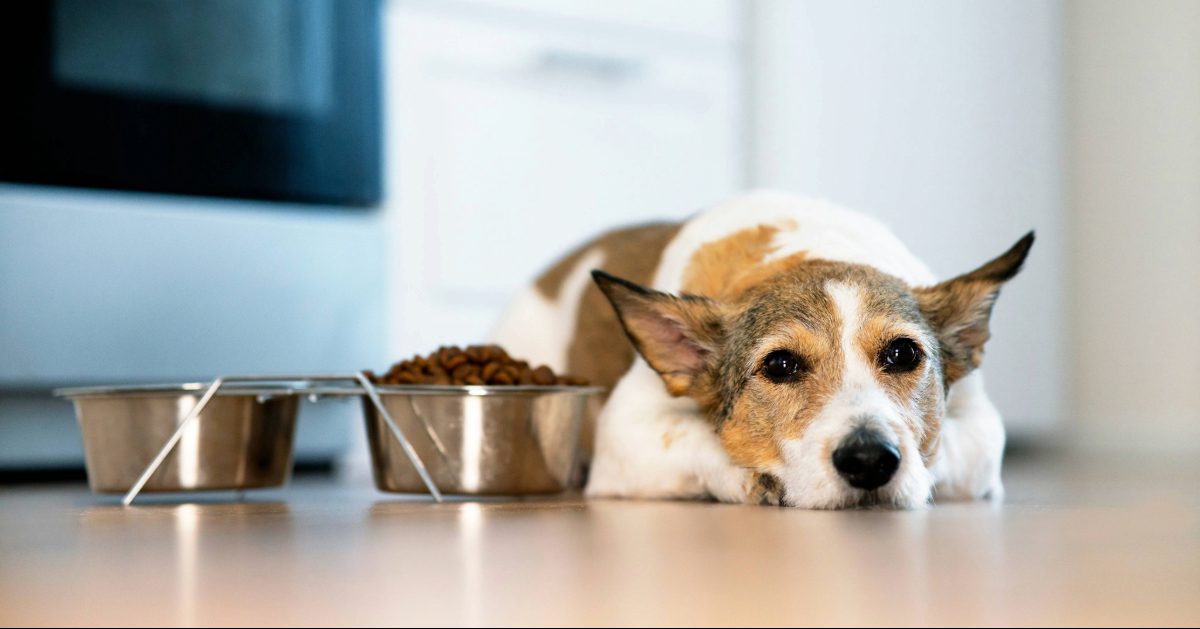
Why Dogs Lose Appetite After Surgery
If your dog is not eating after spay surgery, it often relates to how the body processes anesthesia and pain control medications. These drugs can leave dogs feeling groggy, slightly nauseated, or less interested in food for the first 12 to 24 hours. Surgery itself also places stress on the body, and just like people, dogs may feel tired or unsettled as they recover. Mild abdominal soreness can reduce the desire to bend down to a bowl, especially in larger dogs. Changes in routine, smells, and environment during the hospital visit may also contribute to a temporary appetite dip. When we discharge patients, we explain that a quiet night with lighter interest in food can fall within normal recovery.
Age can also play a role. A senior dog not eating after a spay may bounce back more slowly than a younger dog because older bodies process medications differently. Seniors may already have subtle digestive sensitivities or underlying conditions that influence appetite. That does not mean loss of appetite should be ignored, but it does help explain why recovery patterns vary from dog to dog. Monitoring behavior, hydration, and comfort gives you a clearer picture than appetite alone. When several normal recovery signs occur together, such as sleepiness and reduced activity, a small appetite change can be expected early on.
If Your Dog Is Not Eating or Drinking After a Spay Surgery
When a dog not eating after a spay also refuses water, we pay closer attention. Hydration plays a key role in healing, circulation, and comfort. Most dogs will at least take small sips within several hours of arriving home. If drinking improves but food interest lags, that pattern can still fit typical recovery, especially on the first evening. If both food and water are ignored for a full day, the situation becomes more concerning.
You can encourage comfort and gentle interest in eating without pressuring your dog. Simple environmental adjustments often help during early recovery:
- Offer a small portion of a bland, familiar food rather than a full meal
- Place bowls at head height to limit bending and abdominal strain
- Keep the recovery area quiet, warm, and free from other pets
- Allow rest between short potty breaks to reduce fatigue
These steps focus on comfort and routine, not treatment. If your dog sniffs food but walks away, pain or nausea may be influencing her behavior. A senior dog not eating after spay may show this pattern more clearly, since seniors often communicate discomfort through appetite changes first. Appetite should gradually return within a day or so in most straightforward recoveries. Continued refusal signals the need for a check-in with our team.
When to See the Vet
Knowing the warning signs after spaying a dog helps you decide when normal recovery crosses into concern. While mild lethargy and low appetite can occur, certain changes call for prompt evaluation. We encourage pet owners to trust their instincts if something feels off. Appetite alone does not define recovery; it works alongside behavior, incision appearance, and overall comfort. Early communication prevents small issues from becoming larger ones.
Contact us right away if you notice:
- Vomiting more than once after coming home
- A swollen, red, or oozing incision site
- Signs of significant pain such as whining, trembling, or inability to settle
- Pale gums or unusual weakness
- No interest in food or water for 24 hours or longer
These signs may point to infection, medication reaction, internal irritation, or other complications. A dog not eating after a spay combined with repeated vomiting deserves immediate attention. A senior dog not eating after spay with low energy and disorientation also warrants a call. Our team can guide next steps and determine whether an exam is needed.
Watch for Behavioral Clues
Behavior often tells us as much as physical signs. A dog who greets you, wags her tail, and moves carefully but comfortably may simply be resting through recovery. A dog who hides, refuses to move, or seems restless and unable to settle may be signaling pain or nausea. Changes in posture, such as a hunched back, can also reflect abdominal discomfort. Watching these cues alongside eating patterns gives a fuller picture. Share these details when you call so we can assess the situation accurately.
How Long Appetite Changes Should Last
In most routine procedures, appetite improves within 24 hours. Some dogs eat half meals at first, then return to normal over the next day. That gradual return often reassures pet owners who worry when a dog not eating after a spay skips the first dinner. The body needs time to clear anesthesia and reestablish normal digestion. Quiet rest and limited activity support that process.
A senior dog not eating after a spay may need slightly longer, but the trend should still move toward improvement, not decline. Appetite should not disappear again after it starts to return. If your dog eats in the morning but refuses food later while acting uncomfortable, let us know. That pattern can suggest developing pain, nausea, or incision irritation. Consistent monitoring helps you catch shifts early.
What a Normal Recovery Pattern Looks Like
A typical recovery includes sleepiness the first evening, mild swelling at the incision, and reduced activity. Your dog may walk slowly and prefer to lie down often. Appetite returns gradually, and water intake remains steady. The incision stays clean and dry, with no discharge. Bathroom habits remain close to normal, though the first bowel movement may be delayed. These combined signs point toward expected healing.
Supporting Comfort at Home
Creating a calm recovery space makes a difference when a dog not eating after a spay seems unsettled. Soft bedding, low lighting, and minimal noise help reduce stress. Limit jumping and stairs, since abdominal strain can increase soreness, reduce appetite, and potentially reopen the incision. Follow discharge instructions closely, including medication schedules, since skipped doses may lead to discomfort that affects eating. Check the incision twice daily so you notice changes early.
Offer food at normal times rather than repeatedly presenting treats. Too much variety can upset digestion during recovery. Keep fresh water available at all times so your dog can drink when ready.
How Pain and Nausea Influence Appetite
Pain and nausea often connect directly to appetite loss. Even mild abdominal soreness can reduce interest in eating. Some medications may briefly cause stomach upset. When these effects fade, appetite usually returns. If appetite does not improve as medication schedules stabilize, let us know so we can reassess comfort and recovery.
A Healthy Recovery Starts With Communication
A dog not eating after spay surgery can fall within normal recovery, especially in the first day, but persistent changes deserve attention. Tracking hydration, behavior, and incision appearance helps you understand the full picture. Senior dogs may recover more slowly, yet they still show steady progress when healing goes smoothly. Warning signs after spaying a dog often involve more than appetite alone. When you notice unusual patterns, early communication leads to faster solutions.
If your dog shows ongoing appetite loss, vomiting, or signs of discomfort, call Main Street Veterinary Center at (863) 534-9584 or book an appointment online. Our team will review your dog’s recovery and guide next steps so she can return to her normal routine safely.
Recent Posts
About Us
Family is family, whether it has two legs or four. At Main Street Veterinary Center, we've spent the last 40 years healing and caring for your pets. As a family-operated practice, we know that family is about more than simply being related. Animals give us the ability to develop strong bonds and feel great compassion for a fellow living creature.