Foreign Body Surgery in Dogs: What to Expect
A happy dog, a curious nose, and an object that never should have been swallowed — this is how many emergency visits begin. A dog foreign body surgery becomes necessary when something your dog eats or chews cannot pass safely through the digestive tract. We see this situation more often than many pet owners realize, especially when inquisitive puppies are exploring the world around them with their mouths. Understanding what foreign body surgery involves helps you act quickly and feel more prepared if it ever happens to your dog.
What Is a Foreign Body Surgery in Dogs?
Foreign body surgery is a procedure we perform to remove an object that a dog has swallowed but cannot digest or pass. These objects often become stuck in the stomach or intestines, creating a blockage that prevents food, water, and digestive fluids from moving normally. When this happens, the condition becomes serious and requires prompt veterinary care. Without treatment, the obstruction can damage the intestinal wall, reduce blood flow, and lead to infection inside the abdomen. We use diagnostic tools such as X-rays and ultrasound to locate the object and assess the surrounding tissues. Once we confirm an obstruction, dog foreign body surgery allows us to remove the item and restore normal function.
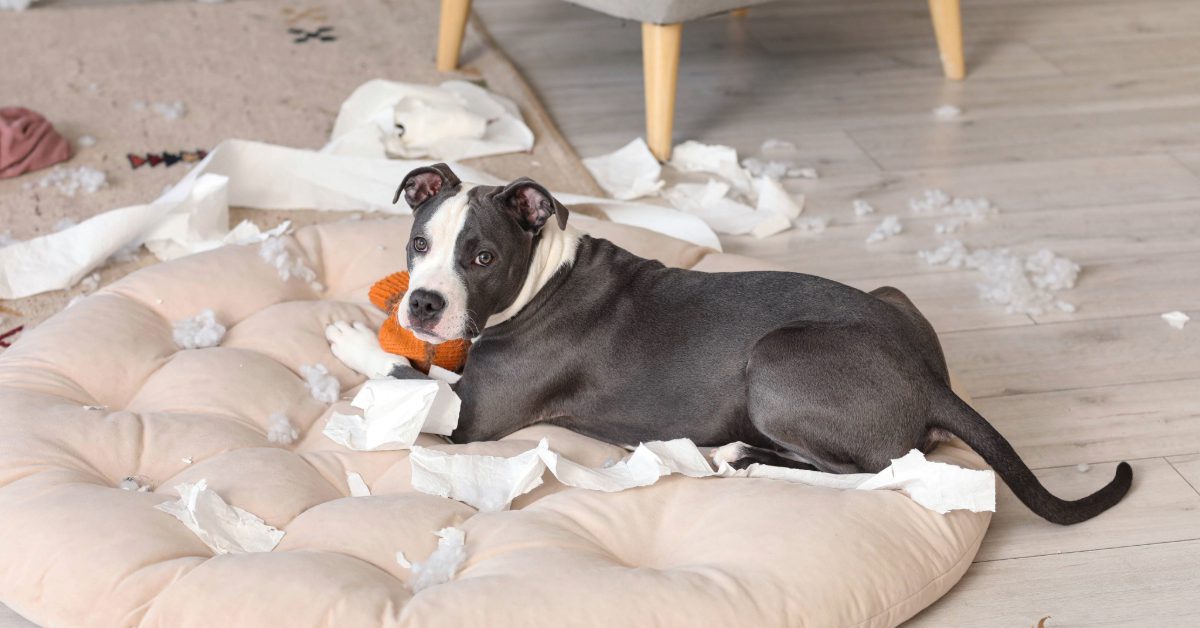
Dogs explore the world with their mouths, so many everyday items can become foreign bodies. We commonly remove toys, socks, underwear, bones, corn cobs, hair ties, and pieces of household objects. Puppies and high-energy dogs face higher risk, but any dog can swallow something unusual. Some objects cause a complete blockage, while others create a partial obstruction that worsens over time. String-like items, such as ribbon or fabric, can be especially dangerous because they may cut into the intestines. Recognizing that this is a medical emergency, not a wait-and-see situation, often makes a life-saving difference.
Dog Foreign Body Symptoms
The signs of a swallowed object do not always appear immediately, which can make early detection difficult. Some dogs show symptoms within hours, while others decline gradually over a day or two. Because the digestive system cannot move normally, the body reacts in noticeable ways. You might see changes in appetite, behavior, or bathroom habits. Any sudden digestive issue that feels unusual for your dog deserves attention. When in doubt, a veterinary exam helps rule out or confirm a blockage.
Common dog foreign body symptoms include:
- Repeated vomiting or dry heaving
- Refusing food or water
- Lethargy or reduced activity
- Abdominal discomfort or a hunched posture
- Diarrhea or little to no stool production
- Drooling more than usual
Some dogs also seem restless, hide, or react when you touch their belly. These signs can overlap with other conditions, which is why imaging and a physical exam matter. A delay in treatment allows pressure to build inside the intestines, which can lead to more severe complications. If your dog shows multiple symptoms or you know they swallowed something, contacting a veterinary team right away is the safest step. Our role is to assess the situation quickly and determine whether foreign body surgery is necessary.
Dog Foreign Body Treatment and Recovery
Treatment depends on what your dog swallowed, where it is located, and how long it has been there. In some early cases, if the object is still in the stomach, we may be able to remove it without surgery using specialized tools. When the item has moved into the intestines or created a blockage, foreign body surgery becomes the recommended treatment. During surgery, we carefully open the abdomen, locate the obstruction, and remove it while protecting surrounding tissues. We examine the intestines for damage and repair any areas that need attention. Afterward, we close the incision and begin supportive care to help your dog recover.
What Happens the Day of Surgery
The day of foreign body surgery for your dog involves careful monitoring from start to finish. We perform bloodwork beforehand to evaluate organ function and hydration levels. Your dog receives anesthesia, pain management, and IV fluids to maintain stability during the procedure. Throughout surgery, we monitor heart rate, breathing, blood pressure, and oxygen levels. Once the object is removed, we flush the area if needed and ensure there is no leakage from the intestines. After surgery, your dog wakes up in a warm, supervised recovery space where our team continues close observation.
Recovery at Home
Most dogs stay with us for monitoring before going home. Recovery after a dog foreign body surgery requires rest, medication, and controlled activity. Your dog may feel tired at first, which is normal after anesthesia and abdominal surgery. Appetite often returns gradually, and we provide feeding instructions to ease the digestive system back to normal function. Incision care also matters, as licking or excessive activity can delay healing. We schedule recheck visits to track progress and remove sutures if needed.
At home, you may notice:
- Mild swelling around the incision
- Lower energy for several days
- Temporary changes in appetite
- A need for leash-only bathroom breaks
These responses are expected during healing, but any sudden vomiting, swelling, or discharge from the incision warrants a call. Most dogs return to normal routines within a few weeks, especially when families follow post-surgery instructions closely.
How to Reduce the Risk of Future Obstructions
While accidents happen, prevention lowers the chance of another emergency. Dogs often repeat behaviors that led to trouble before, so management makes a difference. We encourage pet owners to look at their home from a dog’s perspective and remove tempting hazards. Safe chew toys, supervision, and training help redirect chewing behavior. Regular wellness visits also allow us to discuss habits that might increase risk and how to successfully manage them.
Helpful prevention steps include:
- Keeping socks, underwear, and small objects out of reach
- Choosing durable, size-appropriate toys
- Supervising play with chew items
- Securing trash cans and food waste
- Teaching a reliable “drop it” cue
These steps cannot eliminate risk entirely, but they reduce the likelihood of another foreign body incident.
When to Contact a Veterinarian
Digestive blockages progress quickly, which makes timing important. If your dog shows symptoms of obstruction or you witness them swallow something unusual, contacting a veterinary team right away allows faster evaluation. Early intervention can sometimes mean less invasive treatment. Waiting to see if symptoms improve can allow the situation to worsen. We would always rather assess a dog and find no obstruction than see a delay lead to complications. If you suspect your dog needs care related to dog foreign body surgery, call Main Street Veterinary Center at (863) 534-9584 or book an appointment online.
Restoring Comfort After an Unexpected Emergency
A dog foreign body surgery can feel frightening, but many dogs recover well with prompt care and attentive monitoring. Acting quickly, recognizing symptoms, and following recovery instructions all contribute to a smoother outcome. Our team focuses on clear communication so you understand each step of the process. From diagnosis through healing, we work to return your dog to normal routines safely. If you ever have concerns about swallowing hazards or digestive symptoms, we are here to guide you.
Recent Posts
About Us
Family is family, whether it has two legs or four. At Main Street Veterinary Center, we've spent the last 40 years healing and caring for your pets. As a family-operated practice, we know that family is about more than simply being related. Animals give us the ability to develop strong bonds and feel great compassion for a fellow living creature.